10 Questions to Ask When Visiting a Montessori School
MontessoriCity Editors Apr 6, 2026 5 min read
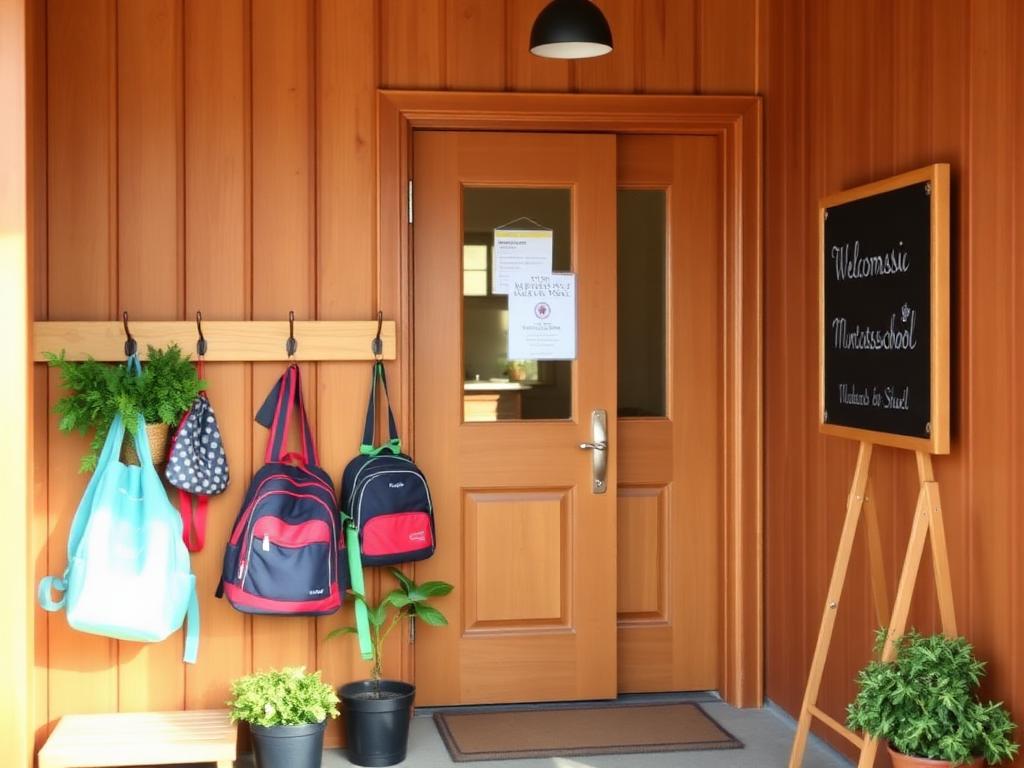
School tours are weirdly disorienting. The director is warm, the children are adorable, the brochure is gorgeous, and you walk out of three different schools telling your partner, "I think I liked them all." A week later you can’t remember which one had the garden and which one had the second language program.
The fix isn’t a longer tour. It’s a sharper one. Here are the ten questions we wish every parent walked in with — written by parents, for parents, after touring more Montessori schools than we’d like to admit. Save this page on your phone and pull it up at the front desk.
You want to hear specific names: AMI, AMS, IMC, MACTE, CCMA, NCMPS — and the level (Infant, Toddler, Primary 3–6, or Elementary 6–12). A trained guide changes everything about the day-to-day quality of the classroom. If the answer is vague ("we have very experienced teachers") press gently: "Wonderful — and where did they train?" The way they answer tells you almost everything.
Authentic Montessori needs a continuous, uninterrupted work period of about 2.5 to 3 hours in the morning. That long stretch is what allows children to enter deep concentration. If the day is chopped into 20- or 30-minute "centres" or rotations, what you’re looking at is a daycare with Montessori materials — not Montessori.
Primary classrooms should mix children aged 3 to 6 in one room. A common, healthy ratio is one trained guide and one assistant for 24 to 30 children. If you see a single age group or an unusually small class, ask why — both can be fine but they fundamentally change the social dynamic Maria Montessori designed.
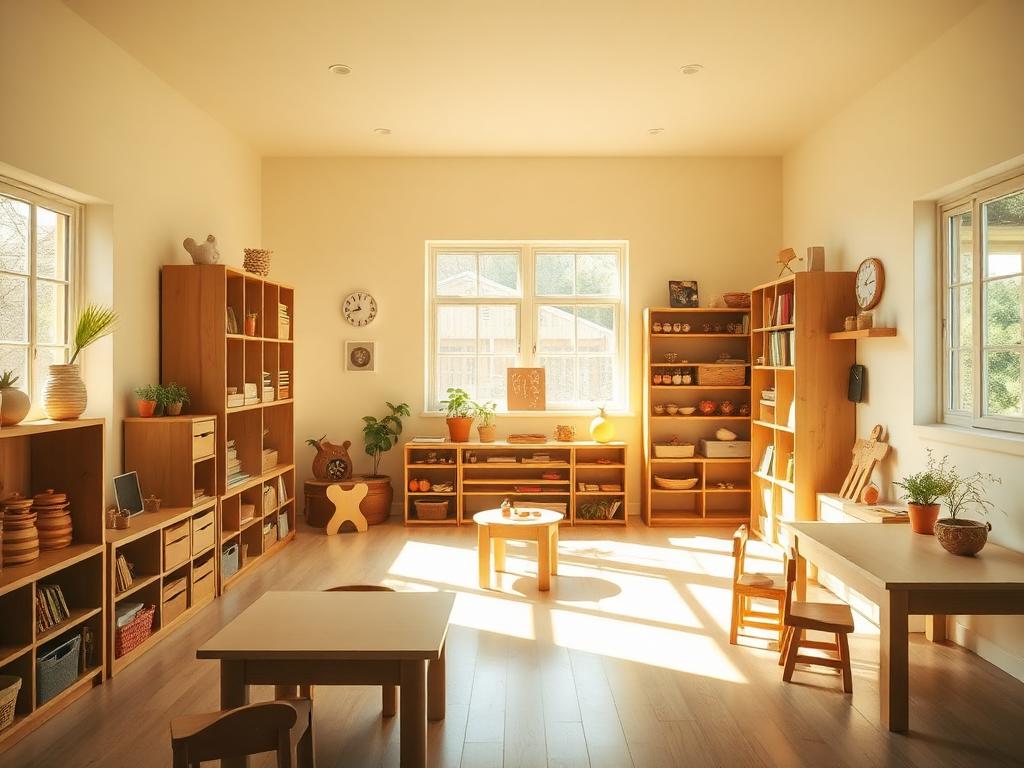
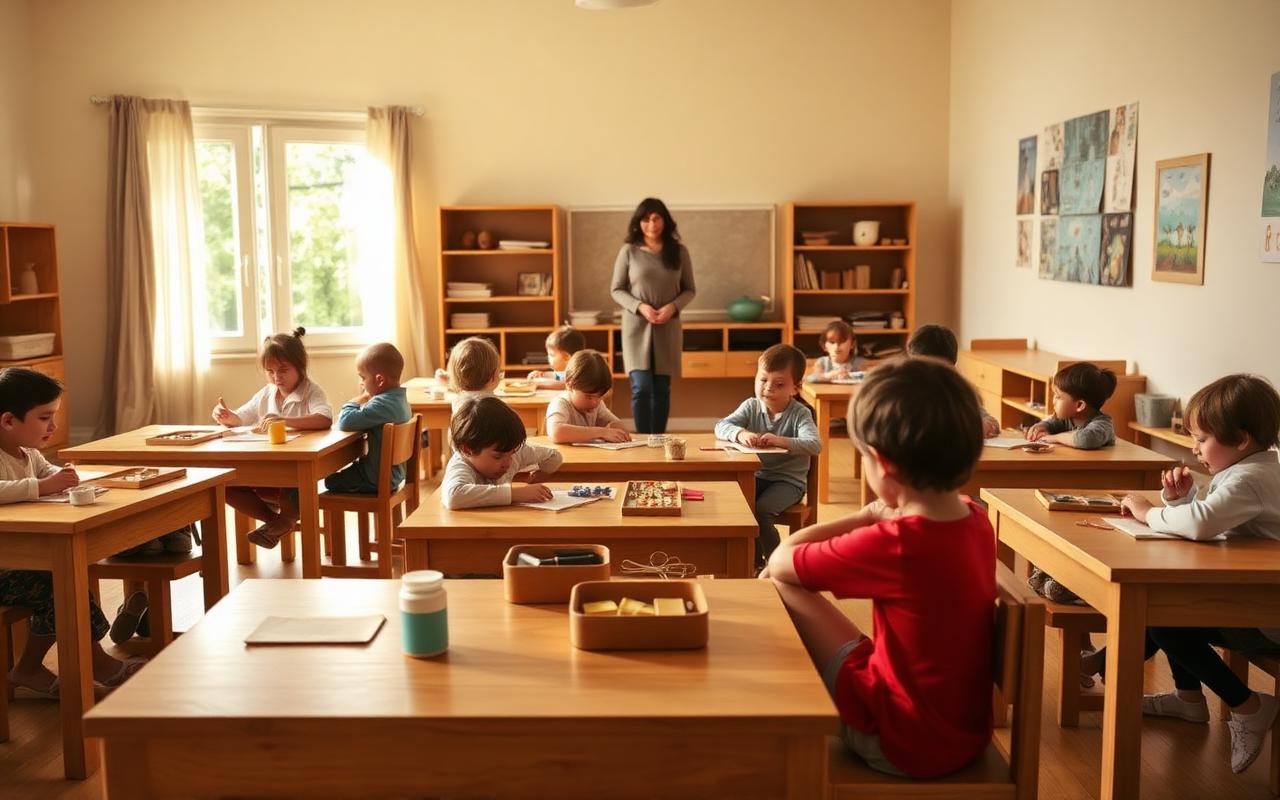
This is the single most revealing thing you can do. Watch from a chair in the corner. Are children moving freely? Are they choosing their own work? Is the room calm or frantic? Are children resolving small conflicts themselves, or is an adult intervening every two minutes? A school that says no to a quiet observation request is telling you something important.
You want to hear about logical consequences, redirection, and "grace and courtesy" lessons — not time-outs, sticker charts, or rewards. A great answer sounds like: "We rarely need formal discipline because the prepared environment and the work cycle do most of the regulation. When conflicts come up, we coach the children through resolving them themselves." If you hear about a "naughty chair," walk away.
A trained guide will say something like, "We observe first. Often it’s a sign we haven’t given the right presentation, or there’s something happening at home, or the child needs more outdoor time. We never force a child to a material, but we don’t allow them to drift either — we re-engage them with a fresh lesson." Vague answers ("oh, we just give them space") are a yellow flag.
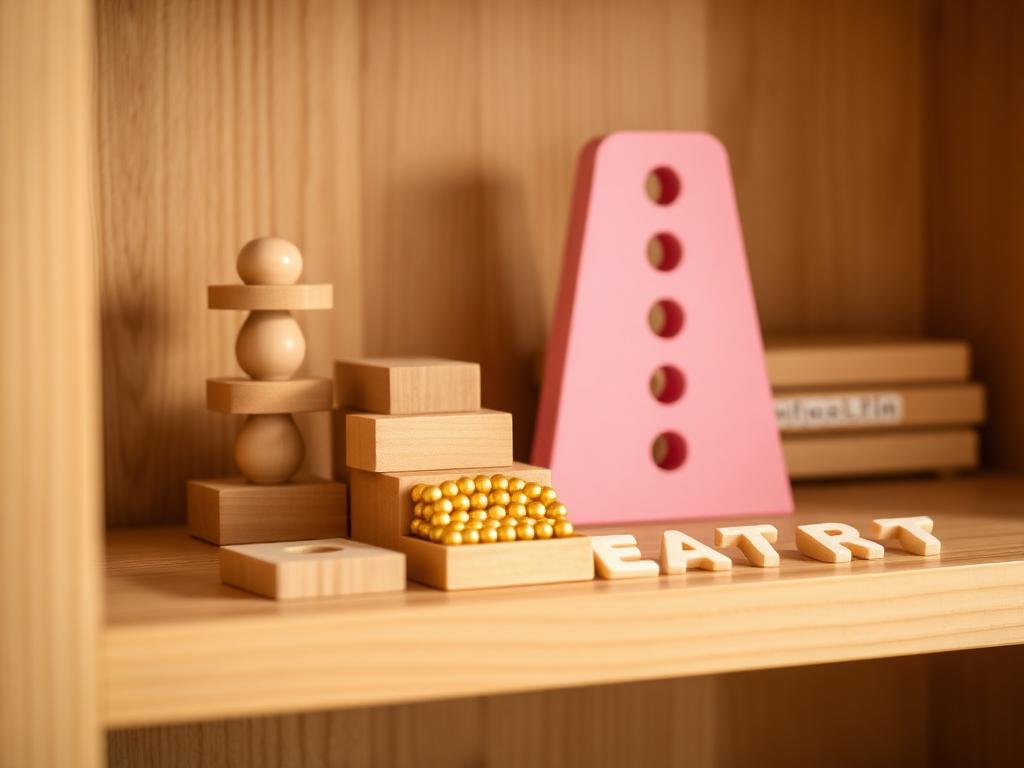
Look at the shelves yourself. You want to see real wood, glass, and metal — not bright primary plastic. Look for the Pink Tower, Brown Stair, Knobbed Cylinders, Sandpaper Letters, the Moveable Alphabet, the Golden Bead material. Missing pieces or substituted materials suggest budget cuts or incomplete training.
In a true Montessori Primary classroom, there are no screens during the work cycle, no traditional homework, and no standardised tests. Elementary may introduce limited research tools. If a 4-year-old is bringing home worksheets every Friday, that’s not Montessori — that’s a daycare wearing Montessori’s coat.
Strong Montessori schools invest heavily in parent education — workshops, observation mornings, home-environment guides — because the philosophy only really works when home and school are aligned. Ask whether they offer parent evenings, what the daily/weekly communication looks like, and how they handle a child who is having a rough patch.
Where do graduates from this Primary go on to? Do they continue Montessori at the school’s Elementary, or move to local public/independent schools? Do those receiving schools praise the children’s independence and academics? A school proud of its alumni outcomes will have stories ready. A school that mumbles or changes the subject probably hasn’t tracked them.
Sit in your car for sixty seconds before you drive away. Don’t check email. Just notice how your body feels. Are your shoulders down? Did you smile while watching the children? Could you picture your own child sitting on that rug, peeling a clementine?
Tuition, schedule, accreditation — those all matter. But the school where your gut quietly says yes is almost always the right one. Use these ten questions to make sure your gut has good information to work with.
Browse 4,032 Montessori schools across North America — or let our free AI match you with the best fit nearby.