What Age Should My Child Start Montessori?
MontessoriCity Editors Apr 2, 2026 4 min read
It’s the question that comes up in almost every consultation we field: "Is my child too young, too old, or right in the sweet spot for Montessori?" The honest answer is that Montessori was designed to begin at birth — but starting at three, or even five, can still be transformative if the school is the right fit.
Here’s what each Montessori age group actually looks like, what your child gets out of it, and why most Montessori parents wish they’d started a little earlier.
"Nido" means "nest" in Italian, and that is exactly the vibe — a small, calm, low-stimulation room for non-walking infants. There are no swings, no bouncy seats, no overhead mobiles in the way you might picture them. Babies have freedom of movement on a soft floor mat, a low mirror to observe themselves, simple wooden toys within reach, and one consistent caregiver who knows them deeply.
Nido programs are rare and usually have very small ratios (1:3 or 1:4). They’re ideal for parents returning to work who want their infant in a developmentally rich environment instead of typical infant daycare. If you have access to one, it’s genuinely worth the waitlist.
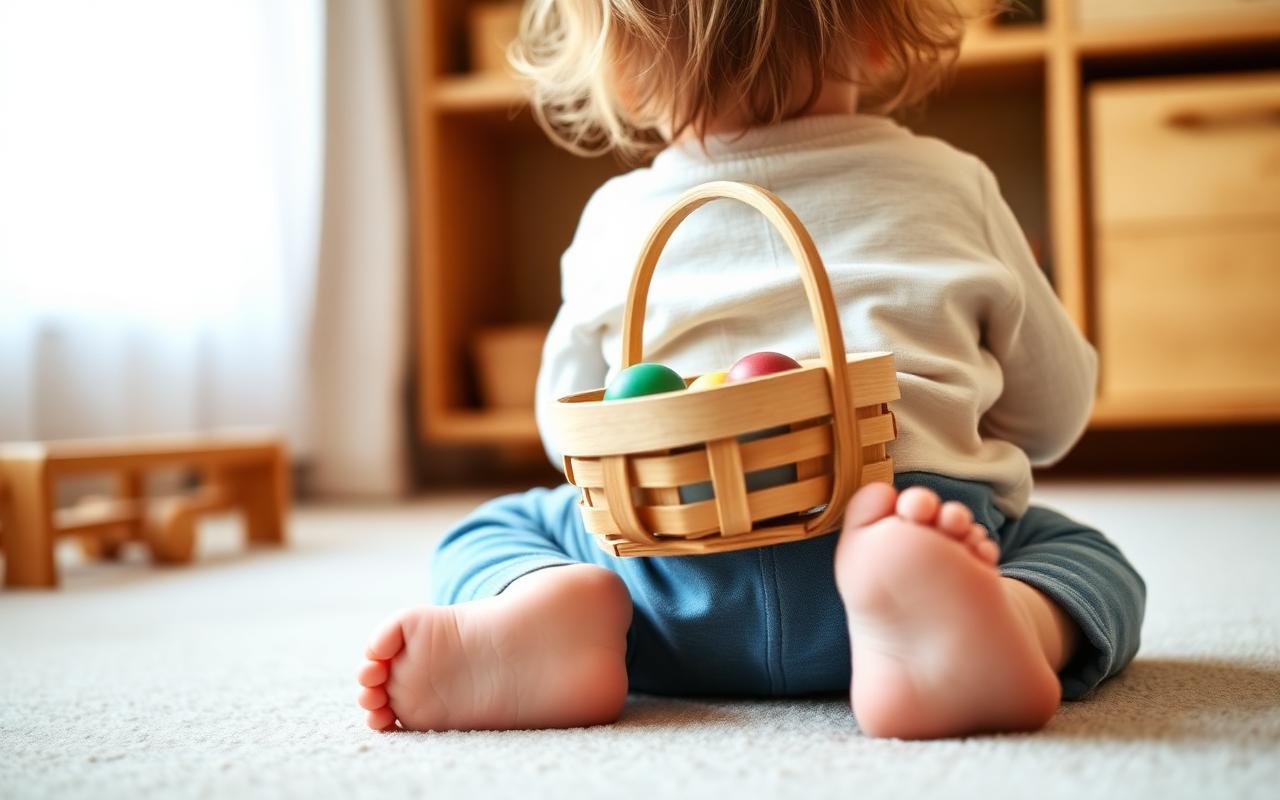
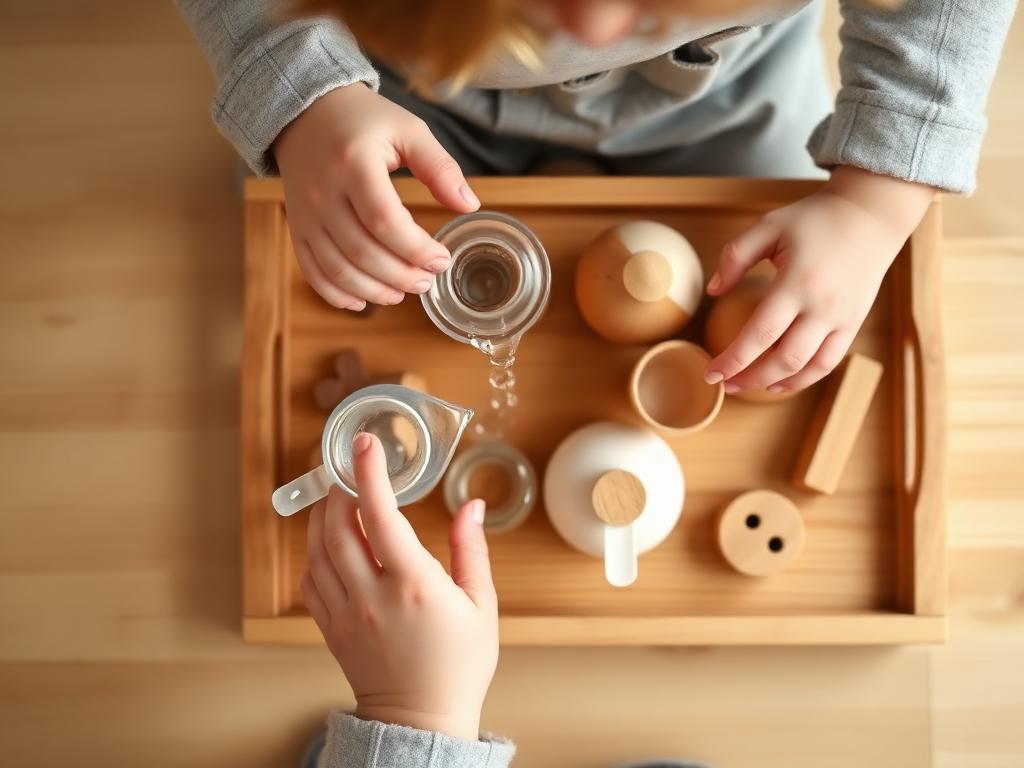
This is, in our experience, the most underrated Montessori program. Toddlers are at the peak of the "absorbent mind" and the sensitive period for movement, language, and order. A well-run Toddler community gives them real practical-life work — pouring, scrubbing, folding, slicing a banana with a butter knife — at exactly the age they crave it.
Children who do two years of Toddler before entering Primary tend to walk into the 3–6 classroom with extraordinary independence: they hang up their own coats, use the bathroom alone, pour their own water, and resolve small conflicts using language. The difference is visible from across the room.
Cost note: Toddler programs are usually the most expensive level (small ratios, lots of trained staff). They’re also the least subsidised in many regions. Plan ahead.
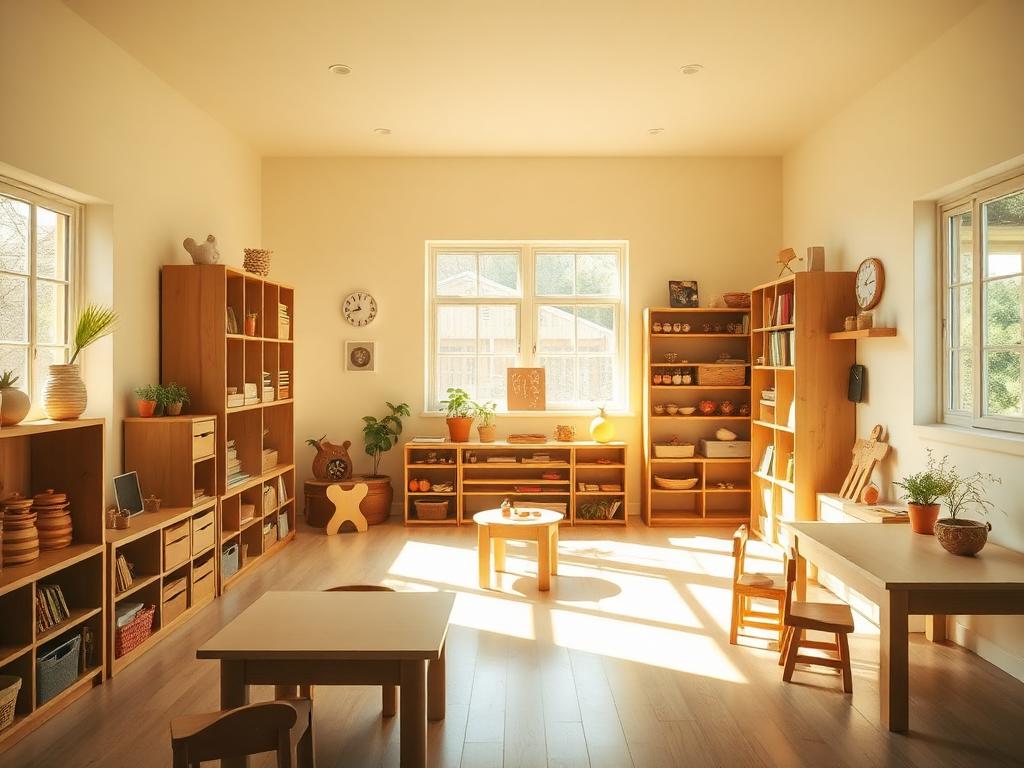
If you’re only going to do one Montessori level, this is the one. The Primary classroom is the original environment Maria Montessori designed and the one that produces the most dramatic, well-documented developmental gains. The three-year cycle (3 to 6) is essential — the third year, called the Kindergarten year, is when everything the child has absorbed crystallises into reading, math fluency, and leadership skills.
A common parent mistake: enrolling for the 3-year-old year, then pulling the child out for "real" public kindergarten at age 5. Almost every Montessori guide will tell you privately that this throws away most of the benefit. If you commit, commit through the Kindergarten year.
Elementary Montessori — Lower (6–9) and Upper (6–12 mixed, or 9–12) — looks dramatically different from Primary. The classroom is louder. There’s a lot of group work, big-picture lessons (the famous "Great Lessons" on the universe, life, humans, language, and numbers), and ambitious project-based work. Children regularly leave the building for "going-out" research trips: visiting a museum, interviewing a local farmer, sourcing materials for an elaborate model.
It’s an extraordinary stage for the right child — curious, somewhat self-directed, comfortable with collaborative work — but it’s also a much smaller market. Many cities have Primary Montessori on every corner and exactly one Elementary option. Plan early.
We get this from parents of 4- and 5-year-olds constantly. The honest answer: starting at 4 is still excellent. Starting at 5 is a bit harder — your child enters a Primary classroom of children who’ve been there a year or two, and the social/work norms feel new. A great guide will help them catch up; a mediocre one won’t.
Starting Elementary Montessori at 6 or 7 with no Primary background is doable but requires an experienced school and an open-minded child. Above age 9, transitioning into Montessori for the first time is genuinely difficult — by then the child has internalised conventional school habits (raise hand, wait to be told what to do) that the Montessori method specifically tries to undo.
When we survey families with Montessori graduates, the #1 regret is consistent: "I wish we’d started at the Toddler level." Almost no one regrets starting earlier. Many regret starting later.
Why? Because the youngest Montessori environments build the foundational habits — concentration, independence, care of self, care of environment — that everything else rests on. Add those at 18 months and your child enters Primary with a head start. Try to add them at 5 and you’re working uphill.
There is no perfect age — only earlier-than-you-think. Montessori isn’t a curriculum you slot a child into; it’s an environment you let them grow up inside. The earlier and more consistently your child is in that environment, the more naturally the benefits compound. Start where you can, commit fully, and resist the urge to switch out at the worst possible moment (the Kindergarten year).
Browse 4,032 Montessori schools across North America — or let our free AI match you with the best fit nearby.