Montessori vs Traditional Preschool: Which Is Right for Your Child?
MontessoriCity Editors Apr 15, 2026 8 min read
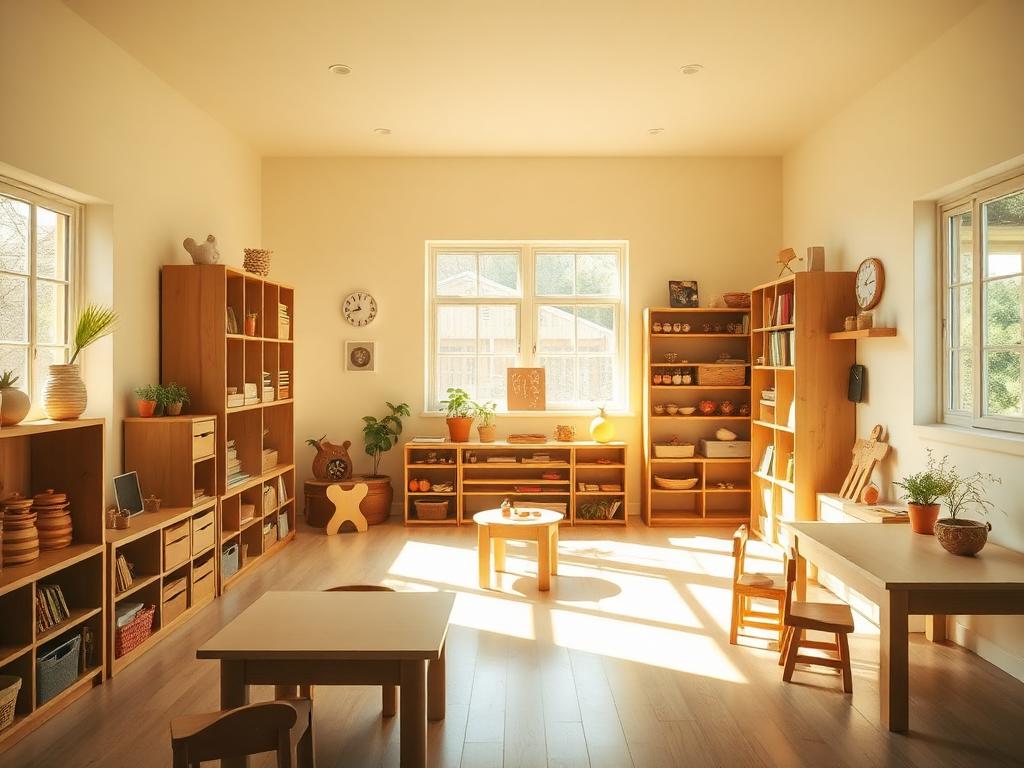
If you have ever toured two preschools in one afternoon, you already know the feeling. One room is loud, brightly coloured, and full of plastic. The other is quieter, almost hushed, with low wooden shelves and natural light. Both call themselves "preschool." Both promise to prepare your child for kindergarten. So why do they look so completely different — and which one is actually right for your family?
This guide is the conversation we wish we’d had with someone honest before our own school search. We’ll walk through what really separates Montessori from traditional preschool, where each approach genuinely shines, and the questions that matter more than tuition or commute time.
Traditional preschool is teacher-led: the adult sets the schedule, leads circle time, and decides what every child works on at any given moment. Montessori is child-led inside a carefully prepared environment: the adult sets the boundaries and observes, and the child chooses meaningful work from a shelf of self-correcting materials.
Neither is universally better. They are just built around different beliefs about how young children learn — and that difference shows up in almost every minute of the school day.
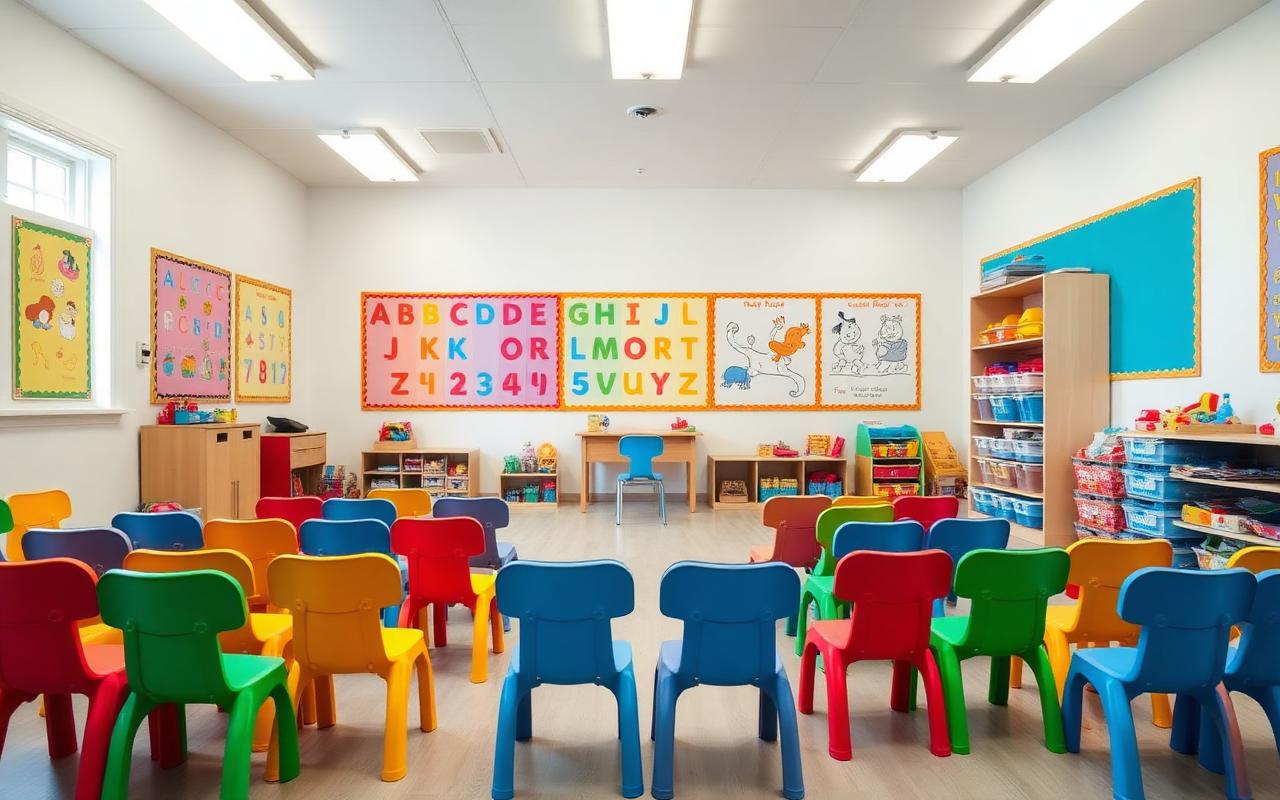
Most days follow a predictable block schedule. Circle time, craft, snack, free play, lunch, nap, story, pickup. The teacher introduces a weekly theme — apples in October, snowflakes in January — and the children mostly do the same activity at the same time. Worksheets, group songs, and themed crafts dominate.
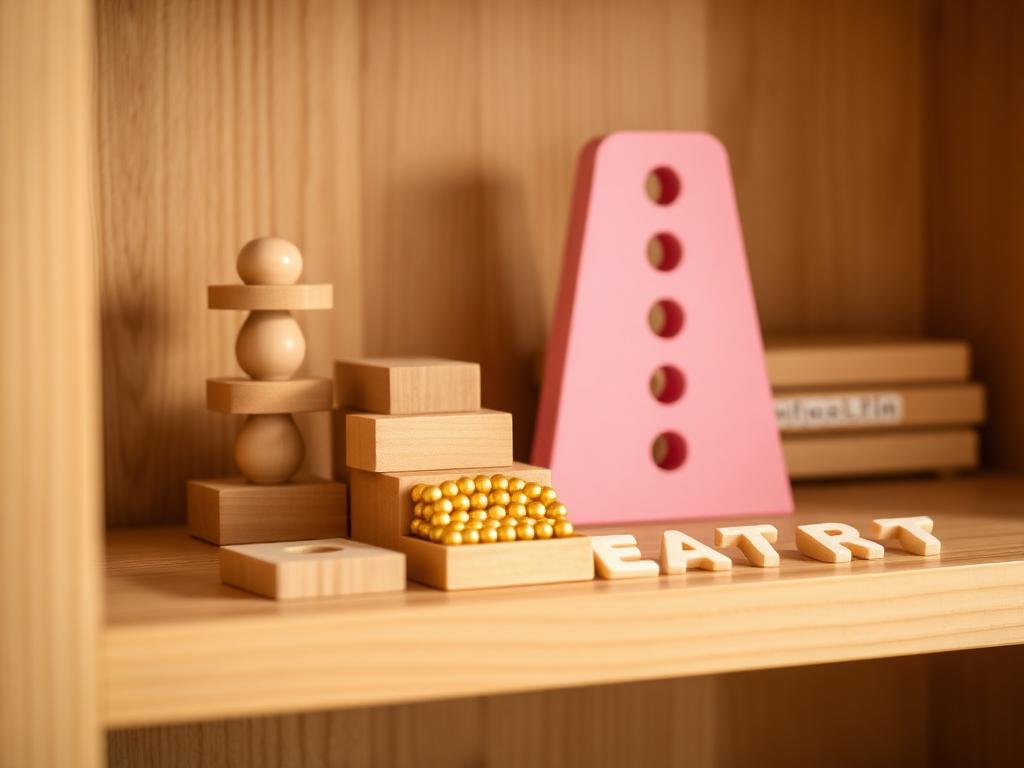
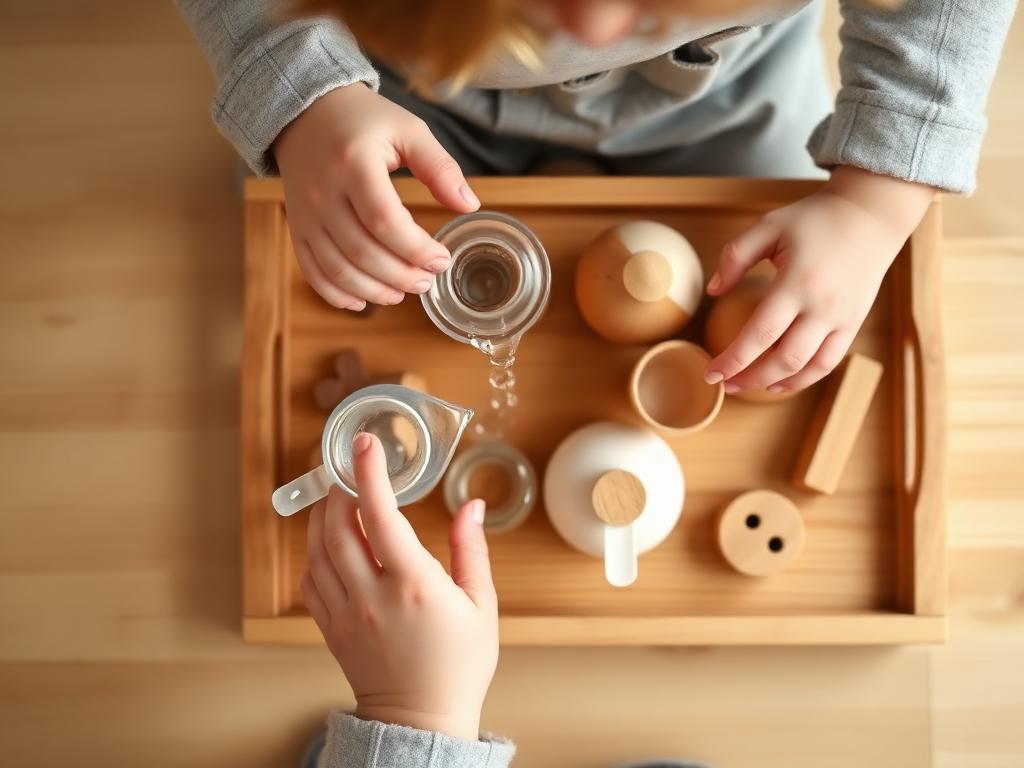
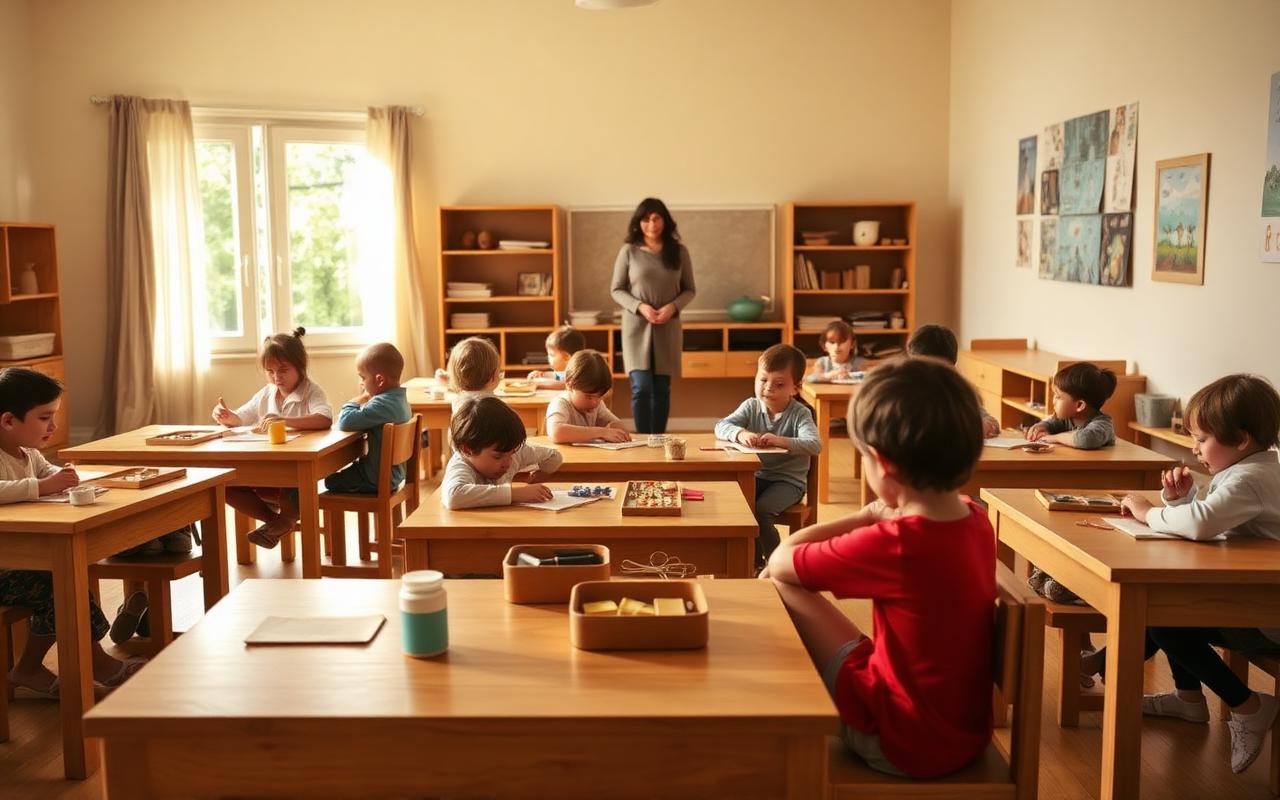
You walk in and see something almost startling: ten or fifteen children, mostly under six, working independently. One is polishing a small mirror. Another is tracing sandpaper letters with two fingers. A four-year-old is building the Pink Tower for the third time this week. The teacher (called a guide or directress) is on the floor next to a single child, giving a brief, precise lesson with a wooden material, then quietly stepping back.
There is a long, uninterrupted "work cycle" — usually two and a half to three hours — where children freely choose materials they’ve been previously shown. The room hums instead of buzzes.
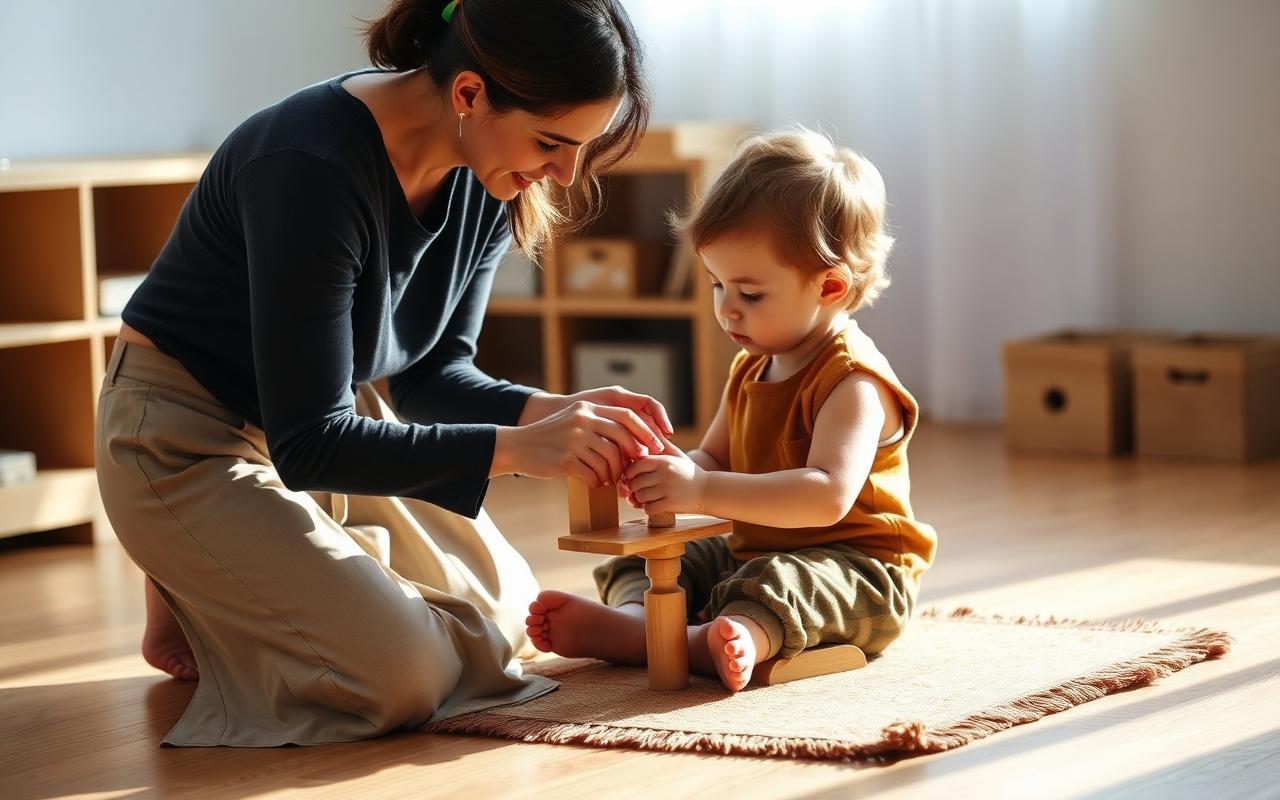
Traditional preschools group by birth year. Montessori intentionally mixes three years together — typically 3–6 in the Primary classroom. Younger children learn from watching the older ones; older children consolidate skills by teaching. It’s closer to a small village than a class.
In a traditional setting, the teacher decides it’s time for everyone to glue cotton balls onto a sheep. In Montessori, your child chooses what to work on, when, and for how long, from materials they’ve already been shown how to use safely. That freedom, however, is bounded — they can’t simply not work, and they must return materials to the shelf when finished.
Montessori materials are designed by Dr. Maria Montessori (and refined for over a century) to isolate one concept at a time. The Pink Tower teaches visual discrimination of size. The Brown Stair teaches gradation. Sandpaper letters teach the sound of each letter through touch. They are usually wood, glass, or metal — real, breakable, beautiful — because the message to the child is, "We trust you with real things."
Many traditional preschools use stickers, star charts, and "good job!" praise to motivate behaviour. Montessori deliberately avoids these. The materials themselves are self-correcting — the child can see when a tower is balanced or a puzzle piece fits — so satisfaction comes from mastering the work, not from pleasing an adult.
Traditional preschools often delay reading and math until pre-K or kindergarten. In a Montessori environment, three- and four-year-olds are commonly tracing letters, sounding out words, and exploring four-digit addition with the golden bead material — but only when they show interest. Children aren’t pushed; they are met where they are.
A widely cited 2017 study by Angeline Lillard, published in Frontiers in Psychology, followed children at a public Montessori school in Hartford, Connecticut, and compared them to peers in conventional programs. By the end of kindergarten, the Montessori children showed stronger gains in academic achievement, executive function, social understanding, and a love of school — and the gap was largest for children from low-income families.
No single study settles a parenting question, but the broader pattern in the literature is consistent: high-fidelity Montessori (meaning a properly trained guide and a complete set of materials) produces strong outcomes, especially in self-regulation and independence. The catch is in the words "high-fidelity." Not every school with "Montessori" on the sign actually delivers it.
“The greatest sign of success for a teacher is to be able to say, "The children are now working as if I did not exist."”
We’re a Montessori directory, but we’ll be honest: Montessori is not the right fit for every family. Consider a traditional program if any of these sound like you:
The word "Montessori" is not trademarked, which means anyone can use it on a sign. Here are the practical things to look for on a tour:
In most Canadian and US cities, an authentic Montessori Primary program (3–6) runs roughly CA$12,000 to $25,000 per year for full-day, with infant and toddler programs (Nido and Infant Community) often slightly higher. Traditional preschool ranges much more widely — anywhere from $400/month for a community-based co-op to $1,800/month for a private full-day program.
Many provinces and states now subsidize licensed early-learning spots; in Ontario, for example, the CWELCC program has dropped fees significantly at participating schools, including some Montessori centres. Always ask whether the school is opted in.
There is no universally "best" preschool. There is the school whose philosophy lines up with how your particular child learns, how your family lives at home, and what you can sustainably afford for the next three to six years.
If you’ve read this far and you keep nodding along to the Montessori description — the calm room, the real tools, the long work cycle, the trust in the child — that is your gut telling you something. Tour two or three local schools, watch the children’s faces, and trust what you see. The right school for your family will feel obvious within twenty minutes of stepping inside.
Browse 4,032 Montessori schools across North America — or let our free AI match you with the best fit nearby.