Parents of children with ADHD, autism, or sensory processing differences often ask whether a Montessori environment will help or overwhelm their child. The honest answer is: it depends — on the child, and even more on the specific school. This guide lays out where Montessori can genuinely fit well, where it can fall short, and the questions to ask. It is general information for parents, not medical or educational advice; decisions about a child with diagnosed needs should involve the people who know and assess your child directly.
Where Montessori can fit beautifully
- Movement is built in. Children are not required to sit still at a desk; they move freely, work on the floor, and use their hands constantly. For a child who struggles to stay seated, this can be a relief rather than a daily battle.
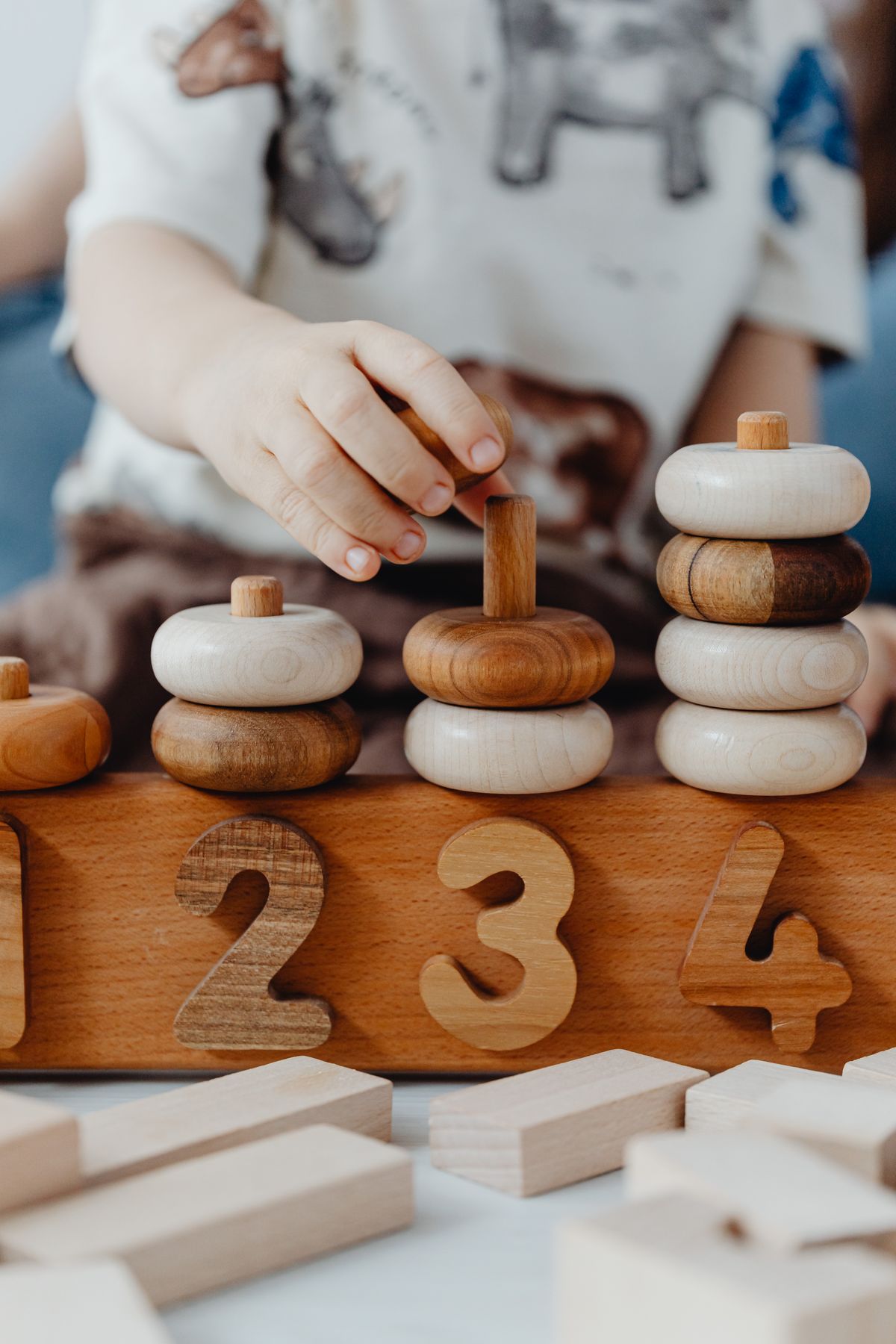
- Hands-on, concrete materials. Multi-sensory, self-correcting materials suit many children who learn by doing rather than by listening.
- Individual pace. Work is chosen and done at the child’s own speed, without the pressure of keeping up with a whole group moving in lockstep.
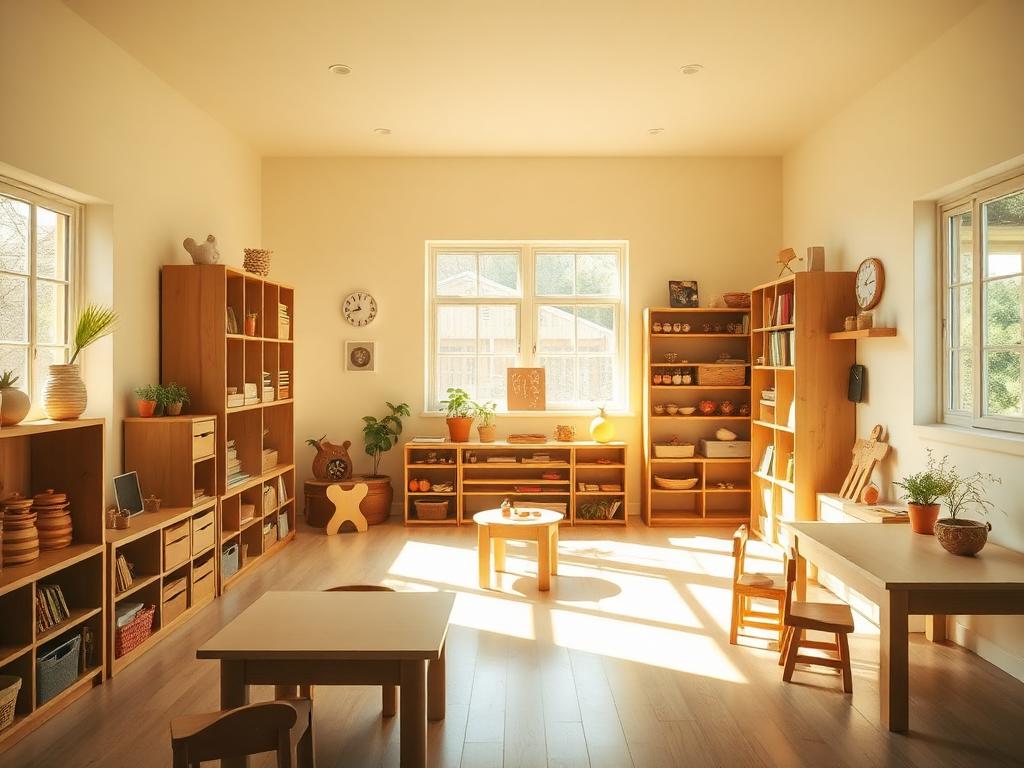
- Order and predictability. The consistent, prepared environment and routine can be calming for children who are sensitive to chaos and transitions.
- Few whole-group demands. Long stretches of self-directed work mean fewer of the sit-and-attend moments that are hardest for some children.
Where it can be a harder fit
- Freedom can overwhelm. The same open-ended choice that helps one child can leave another adrift; some children need more external structure and prompting than a classic Montessori setting provides.
- Specialized support varies hugely. Montessori is a teaching method, not a special-education program. Some schools have staff trained and resourced to support diagnosed needs; many small private programs do not.
- Sensory environment. While many Montessori rooms are calm and uncluttered, the freedom to move and the social nature of mixed-age work can still be a lot for a child with significant sensory sensitivities.
It comes down to the specific school
There is no single answer to "is Montessori good for ADHD," because Montessori schools differ enormously in how they are run and resourced. A small program with one guide and no support staff is a very different proposition from a larger school with an inclusion specialist. The method’s features may suit your child; whether a particular school can support them is a separate question you must ask directly.
Questions to ask a school
- Have you supported children with my child’s profile before? What did that look like day to day?
- How do you handle a child who struggles to choose work or stay regulated during the long work cycle?
- Do you have any staff trained in special education or sensory support? Can you work with outside therapists?
- How do you communicate with parents when a child is having a hard week?
- May I observe a full morning before deciding?
Bring these alongside our general list of questions to ask when visiting a school. Above all, observe your own child in the space if you can — the room will tell you more than any brochure.
When you are ready to compare real programs near you, Find My School lets you build a shortlist by location so you can ask these questions of several schools.
A note on evidence
Research on Montessori and specific diagnoses is still limited and mixed, and we will not overstate it. Broader studies have found positive academic and social-emotional outcomes for Montessori students generally — see our honest review of the research in Is Montessori worth it? — but those general findings should not be read as a claim that Montessori treats or is proven best for any particular condition. Trust the professionals who assess your child, and trust what you see when you observe.
Sources & further reading
- General Montessori outcome research: Lillard & Else-Quest, "Evaluating Montessori Education," Science (2006); and Lillard et al., Montessori Preschool Elevates and Equalizes Child Outcomes, Frontiers in Psychology (2017).
- This article is general information, not medical or educational advice. Consult your child’s clinicians and the prospective school directly.
Find verified Montessori schools near you
Browse 4,032 Montessori schools across North America — or let our free AI match you with the best fit nearby.