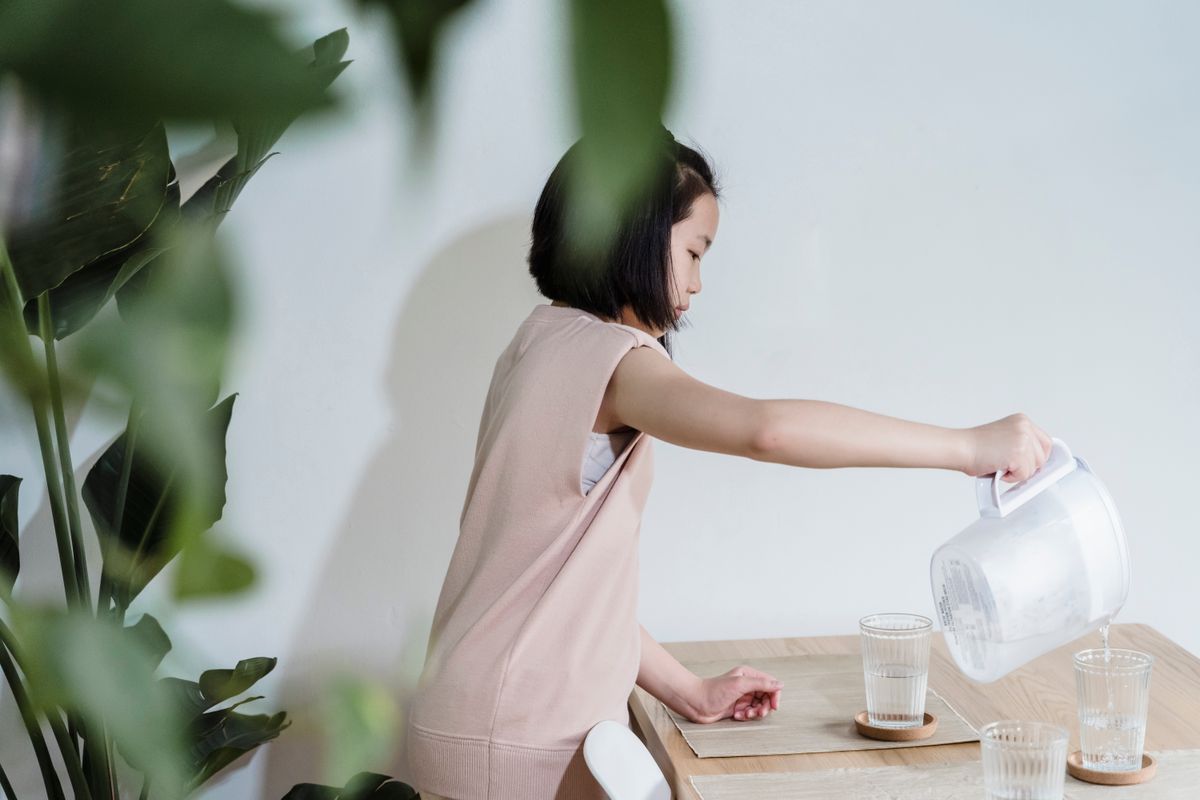
"Practical life" is the quiet foundation of Montessori for young children, and it is almost entirely free. It means exactly what it sounds like: real, purposeful, everyday activities — pouring, scrubbing, dressing, food preparation, caring for plants. To an adult these look like chores. To a young child they are irresistible work that builds concentration, coordination, independence, and order all at once.
The golden rules: use real, child-sized tools (a small real jug, a real but blunt knife), let your child do it slowly and imperfectly, and accept that the spill is part of the lesson. Here is what to offer at each stage.
Around 1 to 2 years
- Transferring — moving large pasta or pom-poms from one bowl to another by hand, then with a big spoon.
- Drinking from a small real glass and beginning to pour from a tiny jug (expect spills; keep a cloth nearby for them to wipe up).
- Putting things away — a basket of board books, toys with one clear home on a low shelf.
- Helping with simple self-care — holding out arms and legs for dressing, "washing" hands.
- Wiping a spill with a small cloth — toddlers love this and it teaches care of the environment.
Around 2 to 3 years
- Pouring water between two small jugs — the classic practical-life activity for control and focus.
- Spooning and using simple tongs to transfer objects.
- Dressing — large buttons, zips, putting on shoes (even on the wrong feet — let them).
- Food prep — spreading with a butter knife, peeling a banana or mandarin, washing vegetables.
- Care of environment — watering a plant, dusting a low shelf, carrying their plate to the sink.
Around 3 to 4 years
- Slicing a soft banana or cucumber with a child-safe knife.
- Pouring their own drink from a small pitcher kept within reach.
- Buttoning, snapping, and beginning to attempt zippers independently.
- Setting the table, sweeping with a small real broom and dustpan.
- Polishing — a small mirror, shoes, or leaves of a plant. The repetition is deeply absorbing.
Around 4 to 6 years
- Real food preparation — using a peeler, cracking an egg, making a simple snack from start to finish.
- Tying shoelaces and managing all their own dressing.
- Caring for a pet or garden with real responsibility.
- Washing dishes, folding laundry, and other genuine contributions to the household.
- Sewing with a large blunt needle, and other refined fine-motor work.
Setting it up
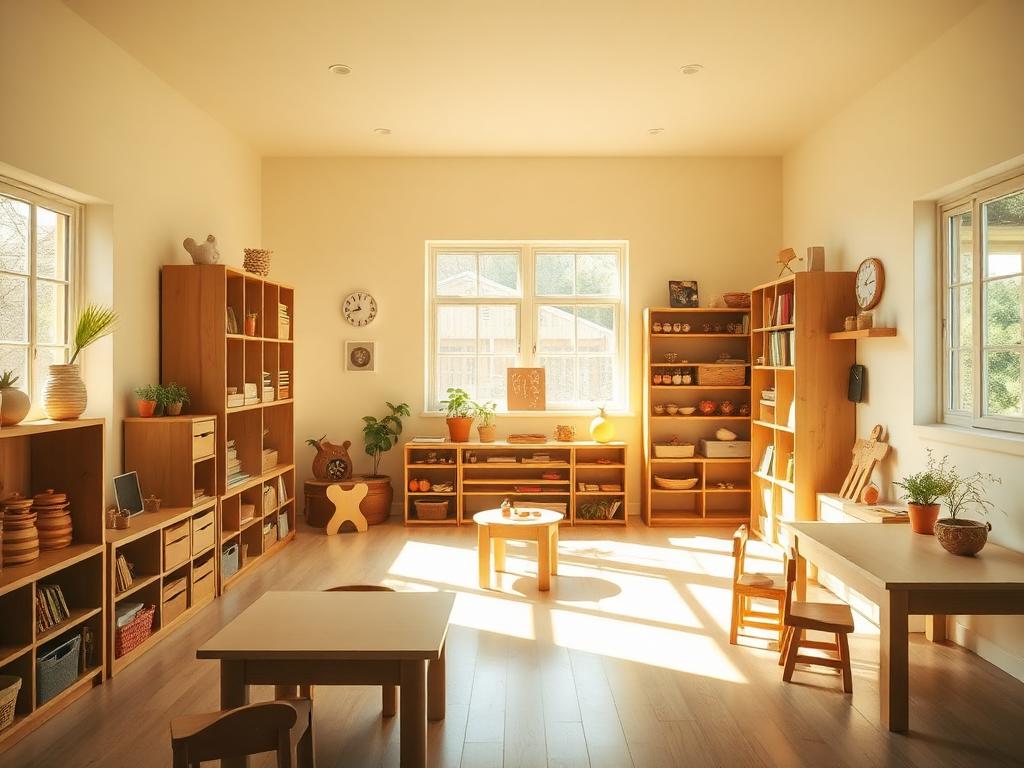
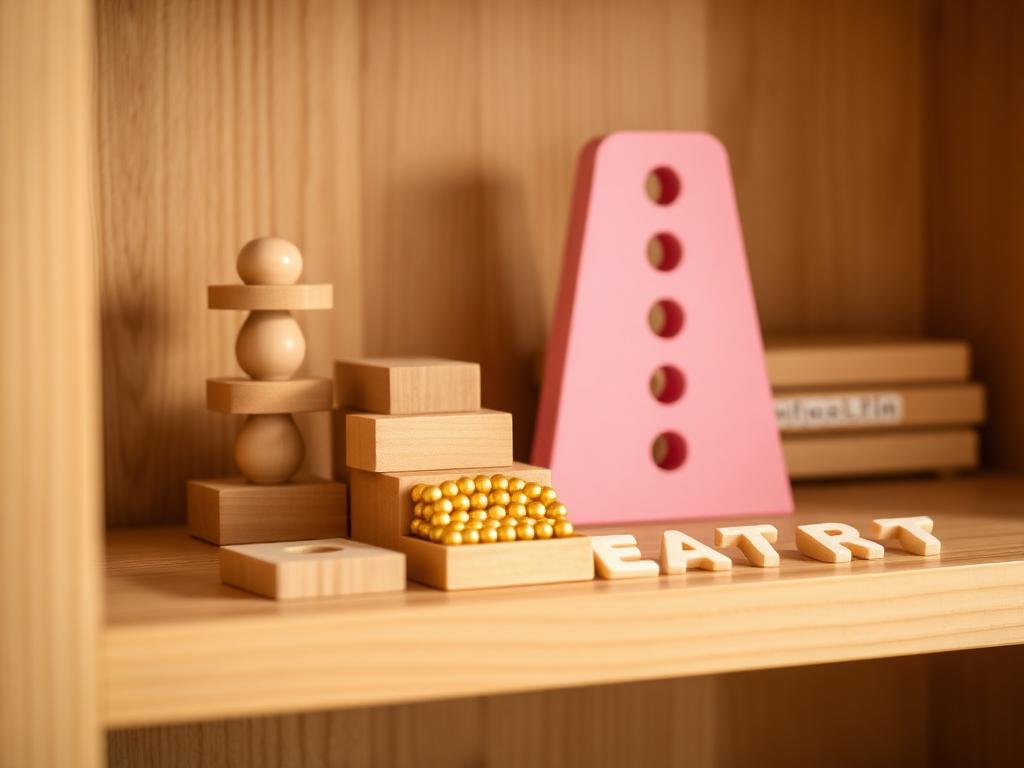
You do not need special equipment, but a few well-chosen child-sized tools help — a learning tower for the kitchen, a small jug, real cloths. Look for practical-life sets if you want a starting point, and see the room-by-room home guide for where to put everything.
The deeper point: every time you let your child do a real task themselves — even slowly, even messily — you are handing them competence and dignity. That is practical life.
Sources & further reading
- Maria Montessori’s "Exercises of Practical Life," central to the Primary curriculum (The Discovery of the Child).
- Association Montessori Internationale — on practical life and the development of independence.
Find verified Montessori schools near you
Browse 4,032 Montessori schools across North America — or let our free AI match you with the best fit nearby.