Montessori Sensitive Periods: The Windows When Learning Comes Easily
MontessoriCity Editors Jun 17, 2026 8 min read
Have you ever watched a two-year-old melt down because you cut the toast the wrong way, or because Dad sat in Mum’s chair? Or noticed a toddler who suddenly cannot stop picking up tiny crumbs and bits of fluff? These are not random quirks. In Montessori terms, they are signs of a "sensitive period" — and understanding them turns baffling toddler behaviour into something you can actually work with.
Maria Montessori, drawing on her background in medicine and biology, observed that young children pass through transient windows during which they are powerfully, almost irresistibly drawn to mastering a specific skill. During the window, that learning happens easily and joyfully. Once it closes, the same skill can still be learned, but it takes more effort and conscious work. The child is, briefly, primed for one particular kind of growth.
This is the one that surprises parents most. Young toddlers crave consistency and routine — the same cup, the same bedtime sequence, things in their proper place. What looks like rigidity is actually the child building an internal map of how the world works. You can support it by keeping routines and your home environment predictable.
Children absorb the language around them with astonishing speed, moving from babble to thousands of words without formal instruction. Talk to your child constantly, name real things, read together, and resist baby-talk. This is the window when rich language input pays the biggest dividends.
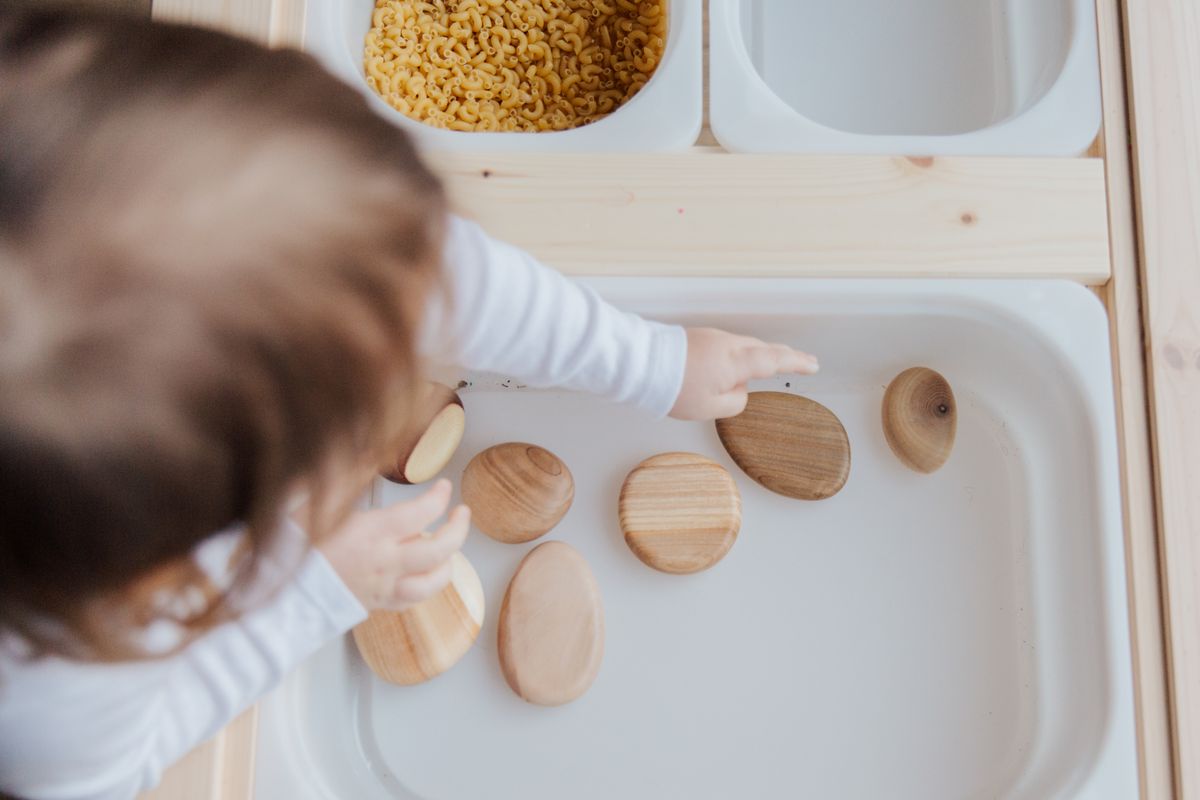
That fascination with crumbs, ants, and tiny details reflects developing fine-motor control and visual acuity. Offer safe small-object work — threading large beads, sorting buttons under supervision — to feed it.
Children are driven to refine both gross and fine motor skills — walking, climbing, carrying, pouring, using their hands with precision. Give them real opportunities to move and to do real tasks rather than confining them for convenience.
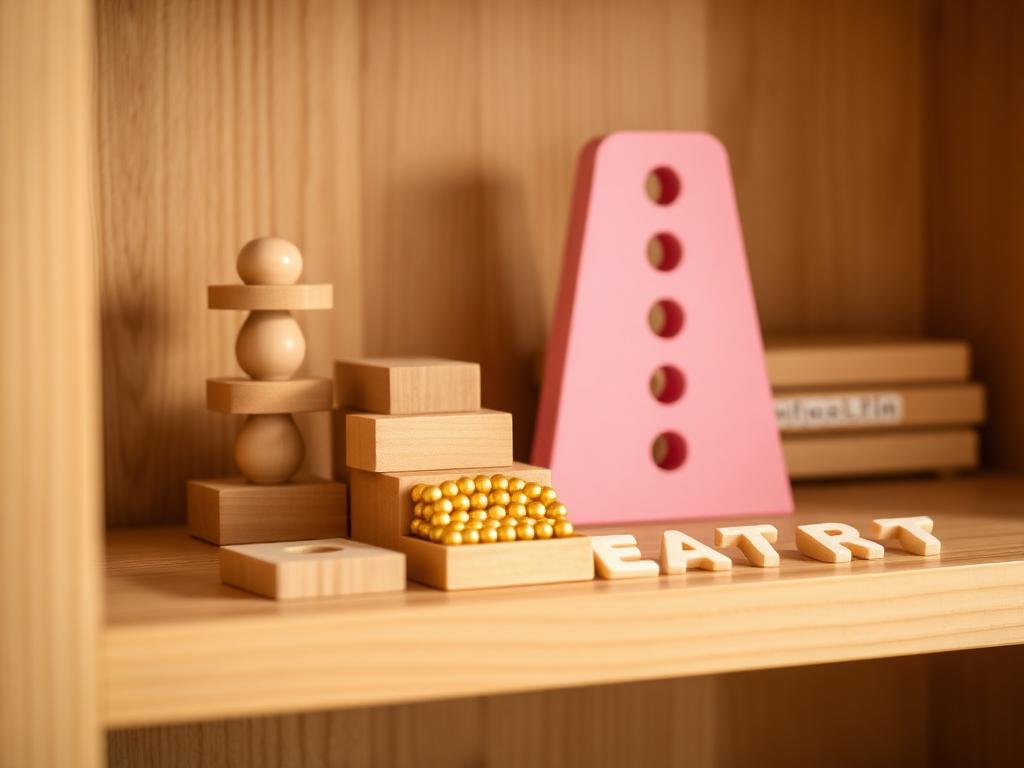
Children work to organize and classify everything they sense — sorting by colour, size, texture, sound. Montessori’s sensorial materials exist precisely to feed this drive.
Children become keenly interested in manners, grace, courtesy, and how to be part of a group — which is one reason mixed-age Montessori classrooms work so well.
Sensitive periods are also why the early years are such fertile ground for a Montessori environment. If you are considering a program, Find My School can match you with verified options near you.
Browse 4,032 Montessori schools across North America — or let our free AI match you with the best fit nearby.