Montessori vs Waldorf vs Reggio Emilia: A Parent’s Comparison
MontessoriCity Editors Jun 11, 2026 9 min read
Parents researching alternatives to conventional schooling almost always run into the same three names: Montessori, Waldorf, and Reggio Emilia. They are frequently grouped together as "child-centred," and all three do respect the child as a capable individual. But step into the three classrooms and you will find they disagree, sometimes sharply, about how children learn. Here is a fair comparison.
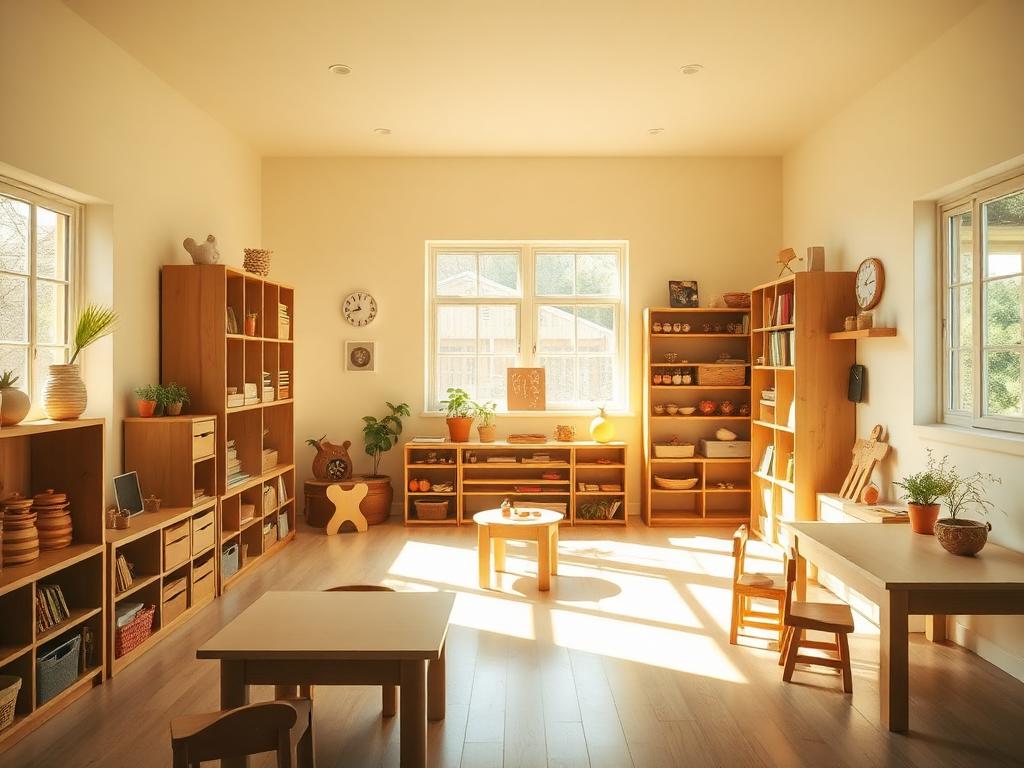
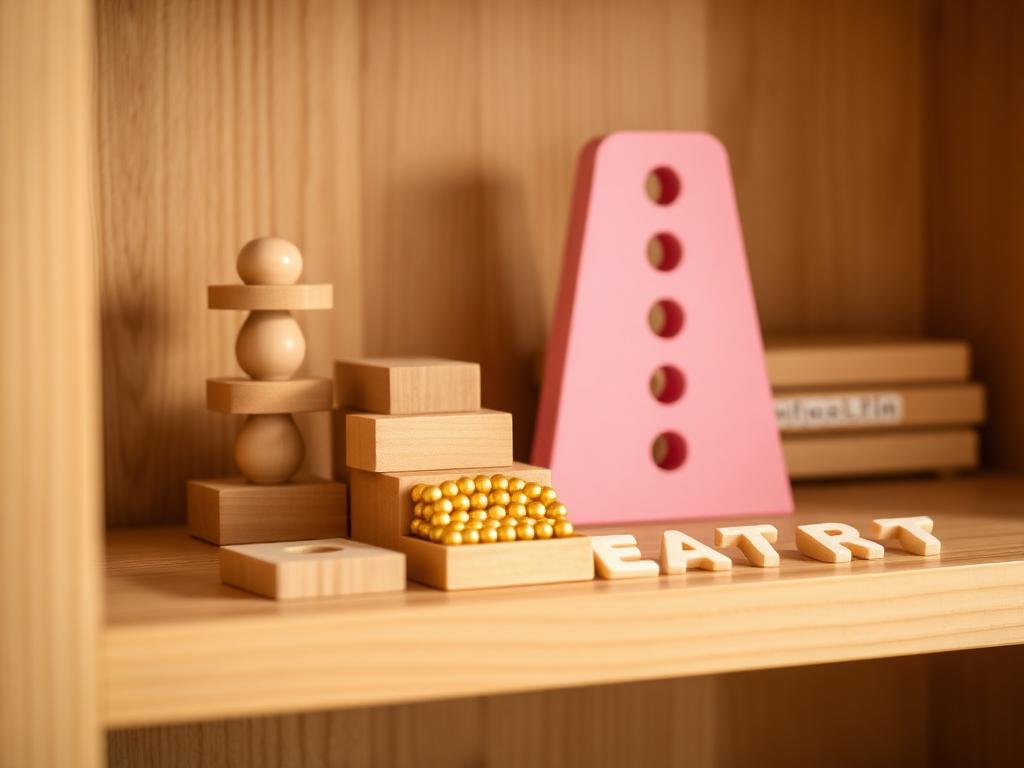
Developed by Dr. Maria Montessori, an Italian physician, beginning in 1907. The child chooses purposeful work from a shelf of scientifically designed, self-correcting materials within a carefully "prepared environment." The adult is a trained guide who observes and gives brief, individual lessons. Structure is high; the freedom is freedom within clear limits. Reality and concrete experience come before fantasy and abstraction.
Founded by Austrian philosopher Rudolf Steiner in 1919. Waldorf deliberately delays formal academics — reading is typically not pushed until around age seven — in favour of imagination, rhythm, story, art, and play. Early-childhood classrooms feature open-ended natural materials, no screens, and a strong daily and seasonal rhythm. Fantasy and storytelling are central, the opposite of Montessori’s reality-first stance in the early years.
Not a formal method but an approach that grew out of the schools of Reggio Emilia, Italy, after World War II, associated with educator Loris Malaguzzi. Learning is project-based and emergent: teachers follow the children’s curiosity into long, collaborative investigations. The environment is called "the third teacher," documentation of children’s thinking is central, and there is no fixed curriculum or set of proprietary materials.
Montessori is the most structured, with a defined sequence of materials and lessons. Reggio is the least structured, with curriculum emerging from the children. Waldorf sits in between, structured by daily and seasonal rhythm rather than by academic sequence.
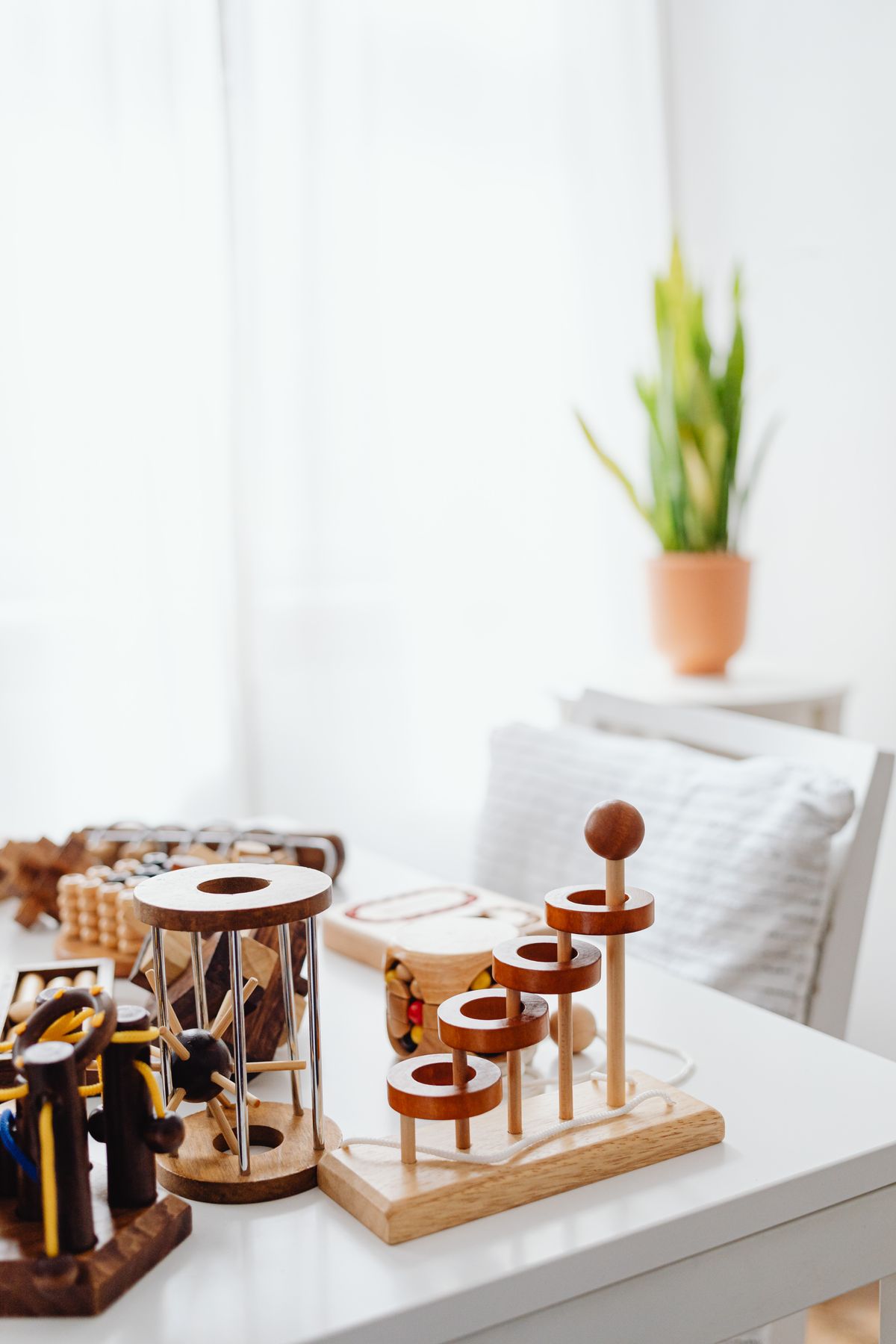
Montessori uses a specific, consistent set of designed materials. Waldorf favours simple, open-ended natural toys that invite imagination. Reggio uses open-ended and often recycled or natural "loose parts," with no signature material set.
Montessori introduces reading, writing, and math early, through concrete materials, when the individual child shows readiness. Waldorf intentionally postpones formal academics. Reggio does not "teach" academics directly but lets literacy and numeracy emerge through projects.
This is one of the sharpest divides. Waldorf centres fairy tales and imaginative play. Montessori, in the early years, leans toward real-world activities and representational rather than fantastical play. Reggio takes no fixed position — it follows the children.
In practice, the specific school matters more than the label. A warm, well-run Waldorf school will serve your child better than a rigid, name-only Montessori one. Tour all three if you can, and watch how the children — not the adults — spend their time. If Montessori is your front-runner, see how to tell an authentic program from a name-only one, then build a shortlist with Find My School.
Browse 4,032 Montessori schools across North America — or let our free AI match you with the best fit nearby.