What Makes a Toy "Montessori"? (And What Doesn’t)
MontessoriCity Editors Jun 8, 2026 7 min read
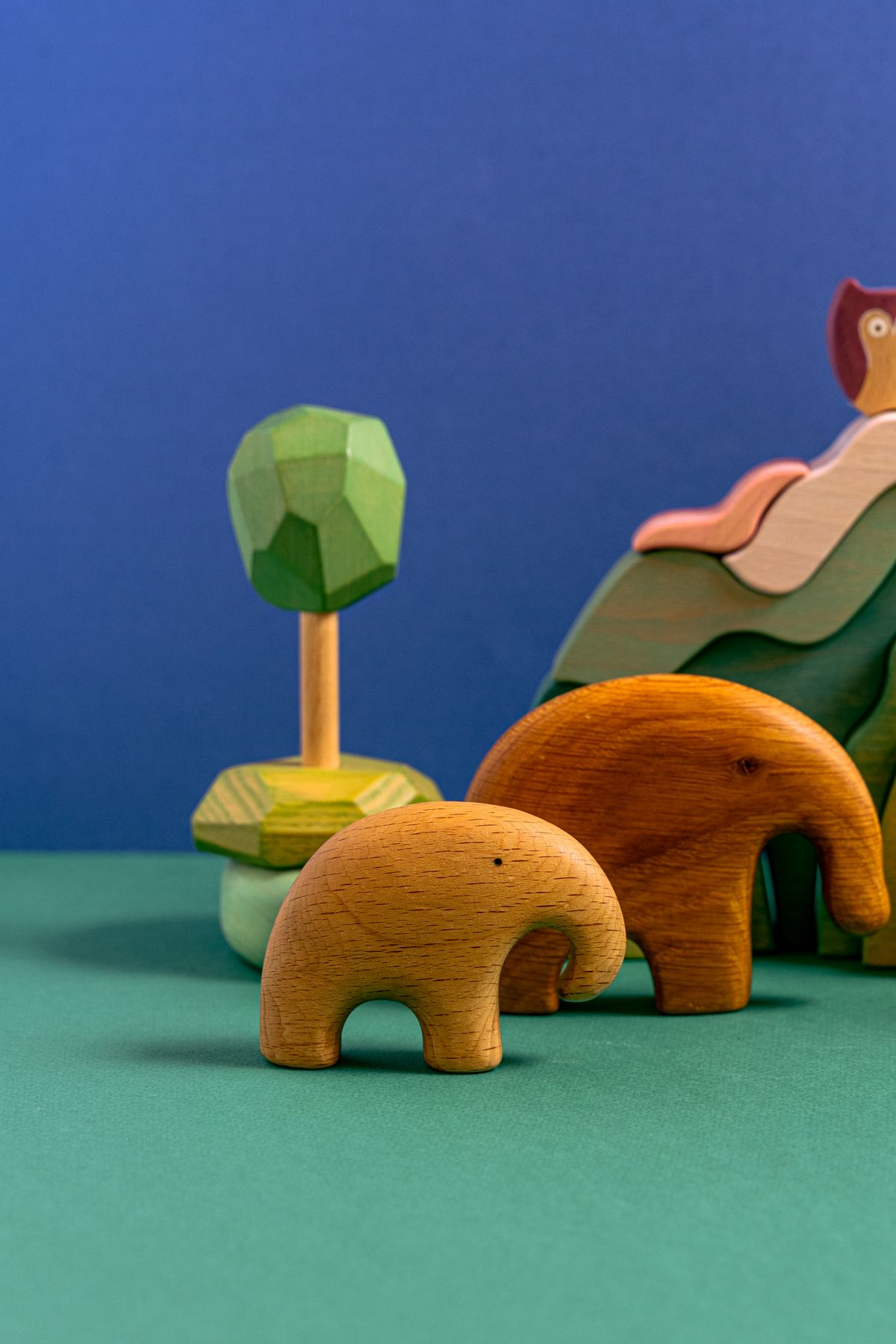
Just like "Montessori" schools, "Montessori" toys are an unregulated label. No organization certifies them, so the word ends up on anything made of wood. That is frustrating, but it also means you can judge a toy yourself with a few simple questions — no brand loyalty required.
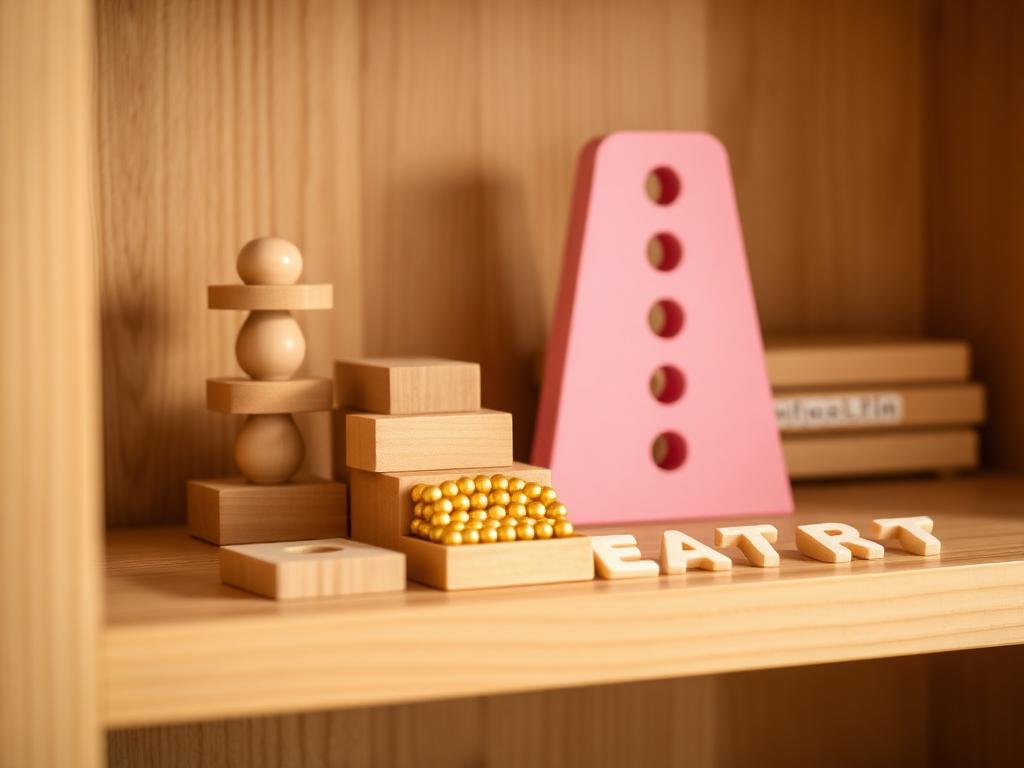
A toy is not Montessori just because it is wooden, neutral-coloured, or expensive. Plenty of beautiful wooden toys are pure decoration; plenty of plastic items (a simple set of measuring cups) are perfectly Montessori in spirit. Judge the interaction, not the aesthetic.
It is not about purity for its own sake. Toys that pass this test tend to hold a child’s attention longer, invite repetition (which is how young children master skills), and leave the thinking to the child. That is the whole point: the toy is a tool for the child’s work, not entertainment delivered to a passive audience.
The right toy depends heavily on age and the developmental window your child is in. A six-month-old needs graspable objects and an object-permanence box; a three-year-old is ready for sensorial materials and early practical life. Choosing by age rather than by what looks appealing on a shelf makes the biggest difference. For the developmental reasoning behind those stages, see Montessori sensitive periods.
Browse 4,032 Montessori schools across North America — or let our free AI match you with the best fit nearby.