Montessori Discipline: How It Handles Tantrums, Limits, and "No"
MontessoriCity Editors Jun 25, 2026 8 min read
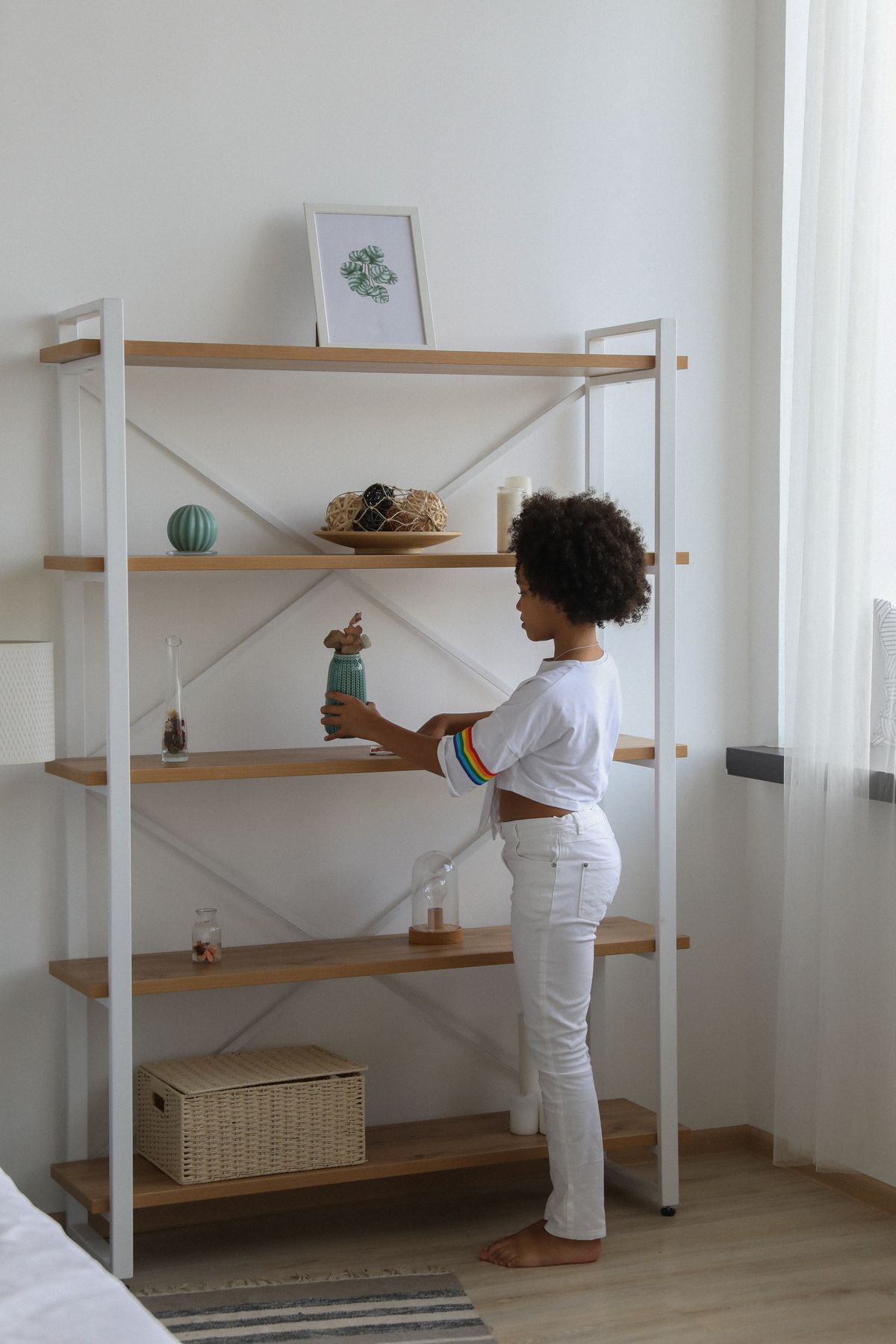
Montessori discipline is widely misunderstood in both directions. Some imagine it means letting children do whatever they want; others assume the calm classrooms run on strict rules. Both are wrong. The Montessori approach is best captured in one phrase: freedom within limits. The child has real freedom to choose, move, and act — but inside clear, consistent, non-negotiable boundaries. Here is what that looks like in practice.
Children are free to choose their work, move around, and make decisions. They are not free to hurt themselves, hurt others, or damage the environment. Those limits are few, clear, and held firmly every time. Paradoxically, firm and predictable boundaries make children feel safer and calmer — the limits are the banks that let the river flow.
Conventional discipline often aims at compliance: the child does what they are told because of a reward or a punishment. Montessori aims one level deeper — at self-discipline, where the child eventually regulates their own behaviour because they understand and have internalized the reasons. That takes longer and asks more of the adult, but it is the point.
Rather than arbitrary punishments, Montessori leans on consequences connected to the action: if you spill the water, you help wipe it up; if you throw the blocks, the blocks go away for now. The consequence teaches cause and effect and protects the child’s dignity, instead of shaming them.
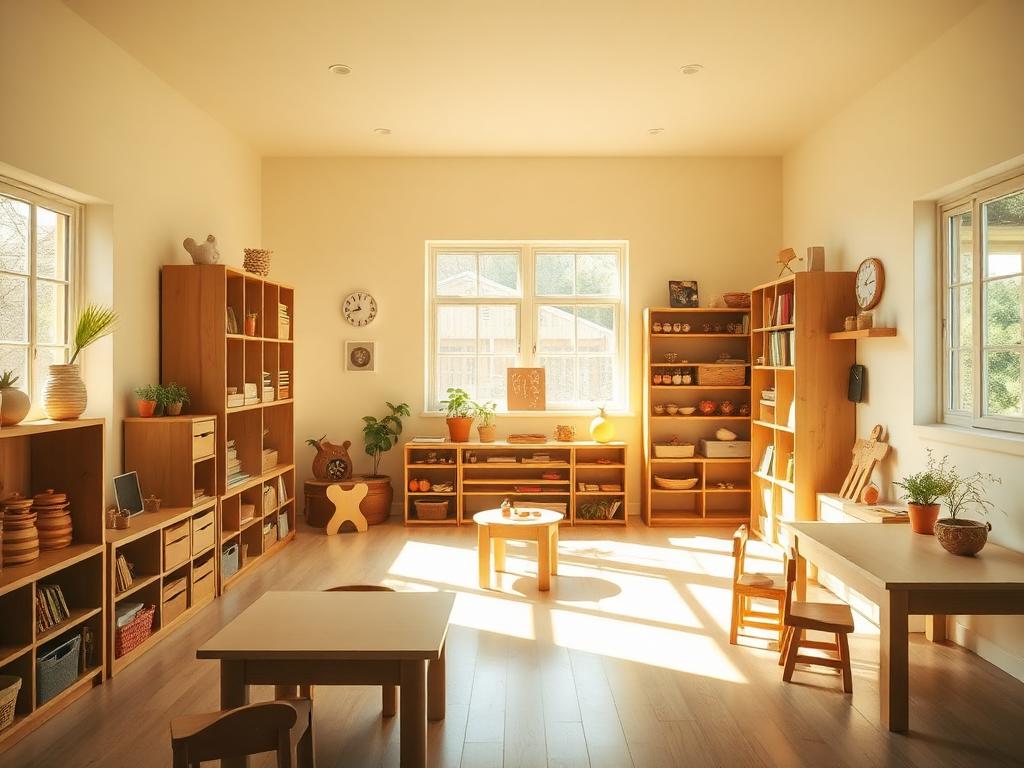
A great deal of "discipline" in Montessori is actually prevention. A child who can reach their own water, choose from a calm shelf, and do meaningful work has far fewer reasons to melt down than a bored, thwarted child in a space built for adults. Much misbehaviour is a signal that the environment, the routine, or the level of challenge is off. Our Montessori at home guide shows how to set up a space that prevents friction.
A lot of toddler "defiance" is actually a sensitive period in action — the order period, especially, drives the insistence on routine and the meltdowns when it is broken. Understanding what your child is developmentally driven to do makes their behaviour far less baffling; see Montessori sensitive periods.
Montessori discipline is not a quick fix. It is slower and more demanding than rewards and time-outs, but it builds a child who can eventually govern themselves. If you want to see it modelled well, observe a calm, authentic classroom — Find My School can help you find one near you to visit.
Browse 4,032 Montessori schools across North America — or let our free AI match you with the best fit nearby.