The 4 Planes of Development, Explained for Parents
MontessoriCity Editors Jun 14, 2026 8 min read
One of Maria Montessori’s most useful ideas for parents is the "planes of development." She observed that children do not grow at a steady, even pace. Instead, development comes in four distinct six-year stages, each with its own character, needs, and way of learning. Understanding the planes explains why Montessori classrooms are grouped and run the way they are — and it can change how you parent at home.
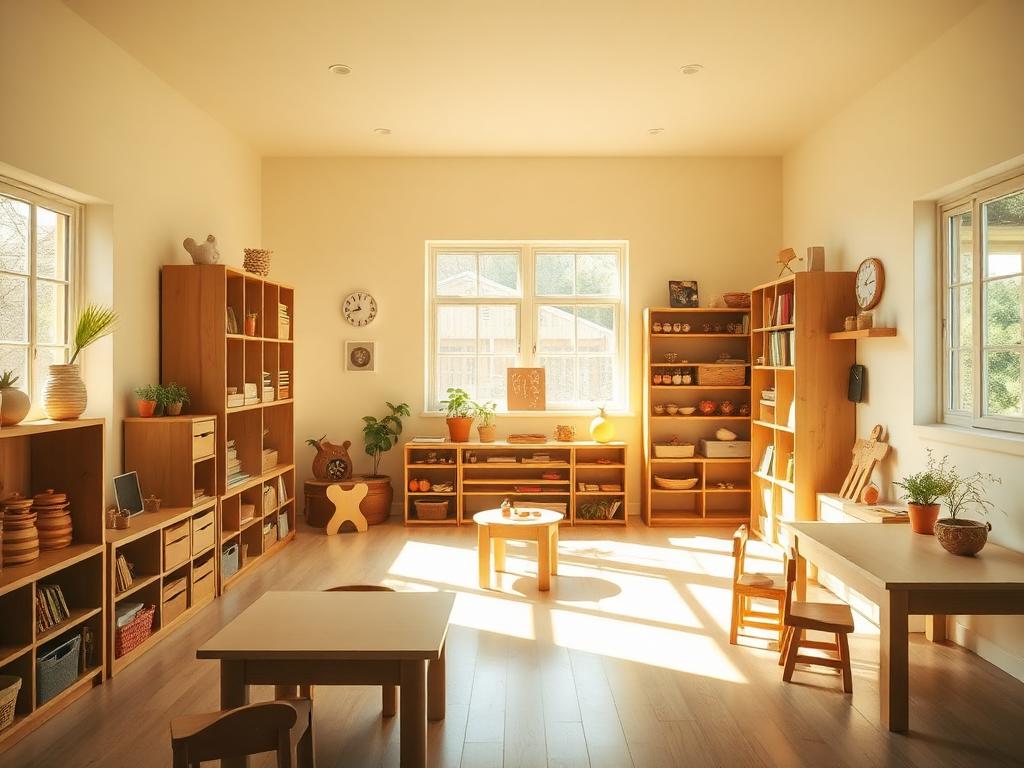
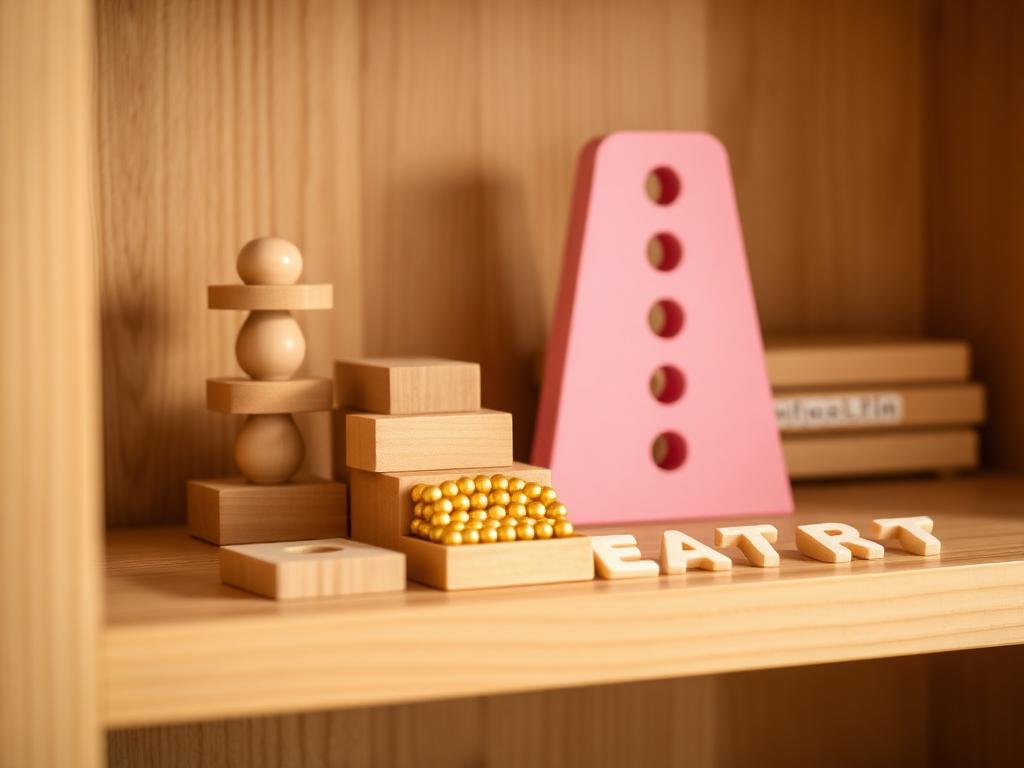
Montessori called the young child’s mind "absorbent": children under six soak up language, movement, and culture from their environment effortlessly and unconsciously, the way a sponge takes up water. This is the plane of huge physical and sensory growth. Children crave order, repetition, and concrete, hands-on experience. They learn by doing, with their hands, not by being lectured. This is why Primary classrooms (3–6) are full of tactile materials and practical-life work.
Within this plane fall the "sensitive periods" — windows when a child is especially primed to absorb a particular skill, like language or order. We cover those in Montessori sensitive periods.
Around six, children change. The absorbent mind gives way to a reasoning, questioning one. They become intensely curious about how and why the world works, fascinated by fairness, morality, and big ideas — the universe, ancient civilizations, how things came to be. They are also deeply social and want to work in groups. Montessori Elementary classrooms answer this with the "Great Lessons," sweeping stories about the cosmos, life, and humanity that open doors to every academic subject.
Adolescence, in Montessori’s view, is a second birth — a period of dramatic physical and emotional change comparable to early childhood. The teenager’s central task is building a social self and finding a valued place in the community. Montessori envisioned adolescent programs centred on meaningful, real-world work and community contribution rather than abstract, disconnected academics.
The final plane is the transition to adulthood: economic independence, specialization, and finding one’s purpose. By now, a child raised in this framework ideally has the independence, focus, and self-direction to navigate higher education and work on their own terms.
The planes are a reminder that what looks like regression or a sudden personality shift — your calm six-year-old turning argumentative and obsessed with fairness, your sociable preschooler suddenly needing solitary, repetitive work — is often development, not misbehaviour. Meeting children where they are on their plane, rather than where we wish they were, is the heart of the approach. It also explains why Montessori groups children in three-year, single-plane classrooms instead of single-age rooms.
If your child is approaching the first big transition, you may find our guide on what age to start Montessori helpful, and you can find programs for any plane near you with Find My School.
Browse 4,032 Montessori schools across North America — or let our free AI match you with the best fit nearby.