The Montessori Work Cycle: Why the Uninterrupted 3-Hour Block Matters
MontessoriCity Editors Jun 19, 2026 7 min read
If you only learn one thing to ask about on a Montessori school tour, make it this: "How long is the morning work cycle, and what interrupts it?" The answer reveals whether a school understands the method or just borrowed the name. The uninterrupted work cycle is, quietly, one of the most important features of an authentic Montessori environment.
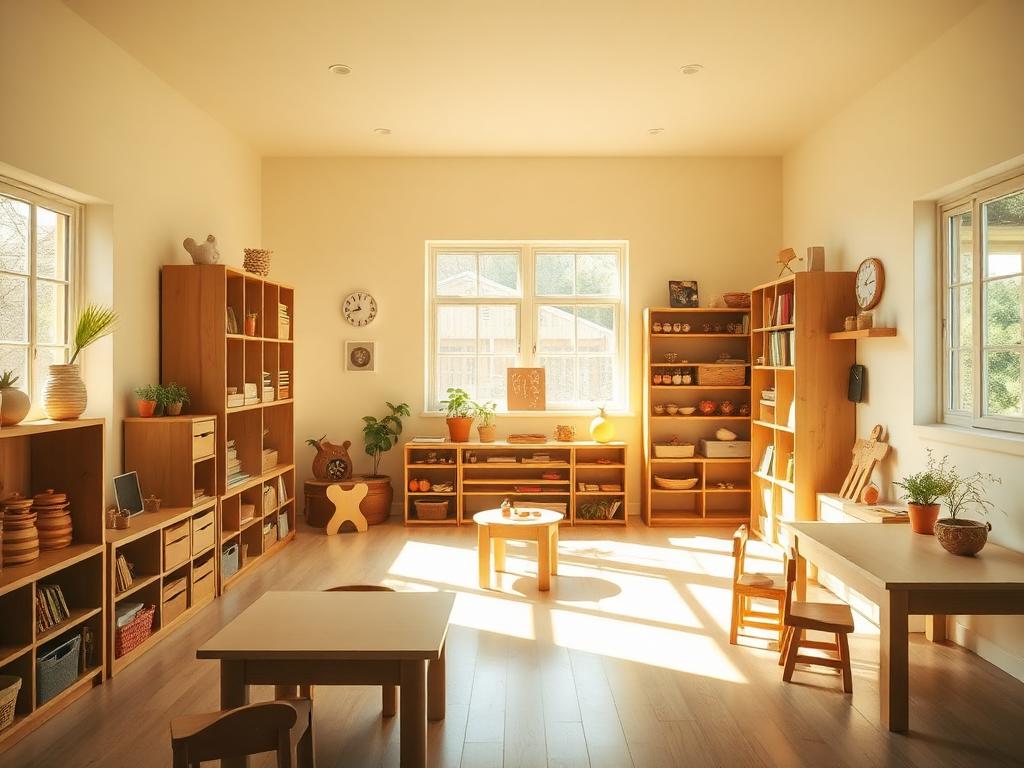
In a Primary (3–6) classroom, the morning is a single, roughly two-and-a-half to three hour block in which children freely choose work they have previously been shown, do it for as long as they like, and return it before choosing the next thing. There is no bell every twenty minutes, no whole-group craft pulling everyone to the carpet, no scheduled rotation. The guide moves among the children giving brief, individual lessons; the children direct themselves.
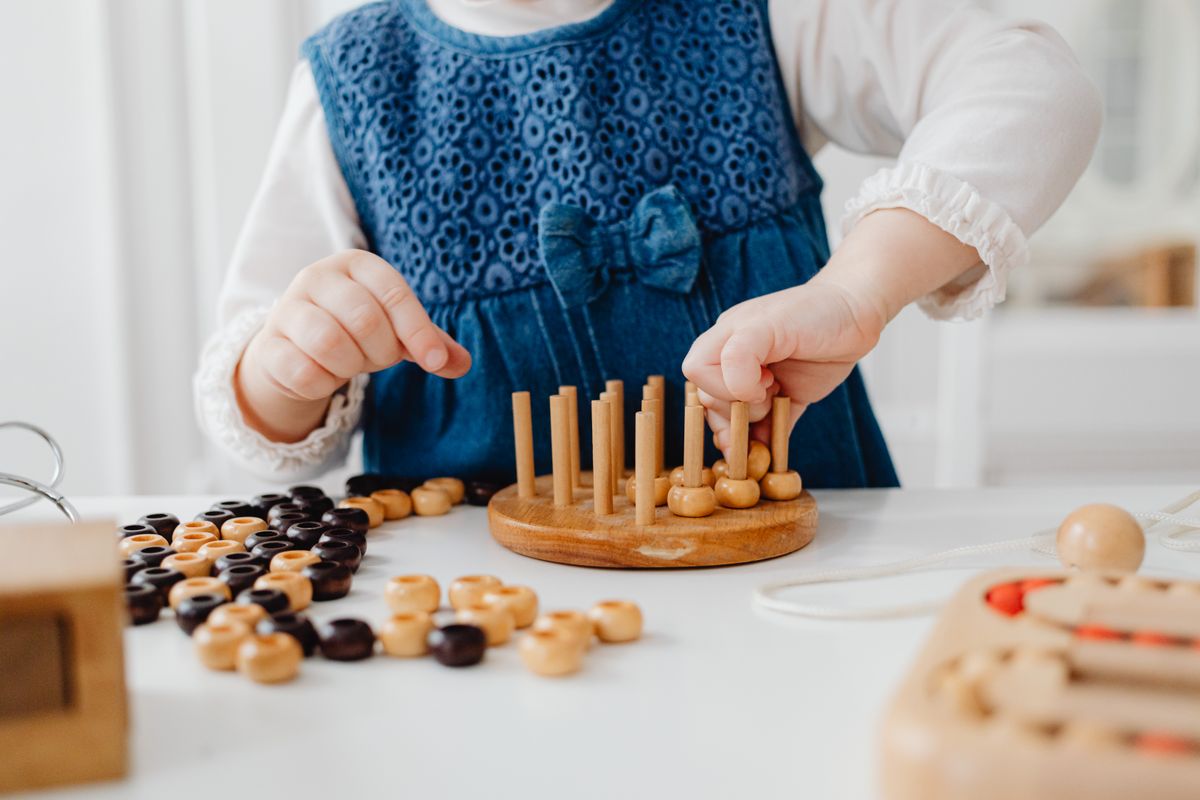
Montessori observed that deep concentration in young children follows a curve. A child settles, chooses something easy, then moves to more challenging work and reaches a peak of intense, absorbed focus — often after the first 45 to 60 minutes, exactly when a conventional schedule would interrupt with circle time or snack. Protect that window and the child reaches what Montessori called "the great work," emerging calm, satisfied, and self-possessed. Chop the morning into short blocks and the child never gets there.
A long uninterrupted cycle is genuinely hard to run. It requires trained guides who can give individual lessons while thirty children direct themselves, a fully prepared environment, and the discipline to resist filling the morning with adult-led activities. It is far easier to schedule circle time, a craft, and a music block — which is exactly what name-only programs do. That is why the work-cycle question is such a reliable test of authenticity, alongside the other signals in how to tell if a school is actually Montessori.
You cannot replicate a classroom, but you can protect concentration. When your child is deeply absorbed in something — even something messy or repetitive — resist the urge to interrupt, redirect, or "help." Those stretches of self-chosen focus are doing real developmental work. A calm, ordered space helps; see our Montessori at home guide.
When you tour schools, time the morning and watch for interruptions. To line up tours near you, start with Find My School.
Browse 4,032 Montessori schools across North America — or let our free AI match you with the best fit nearby.